

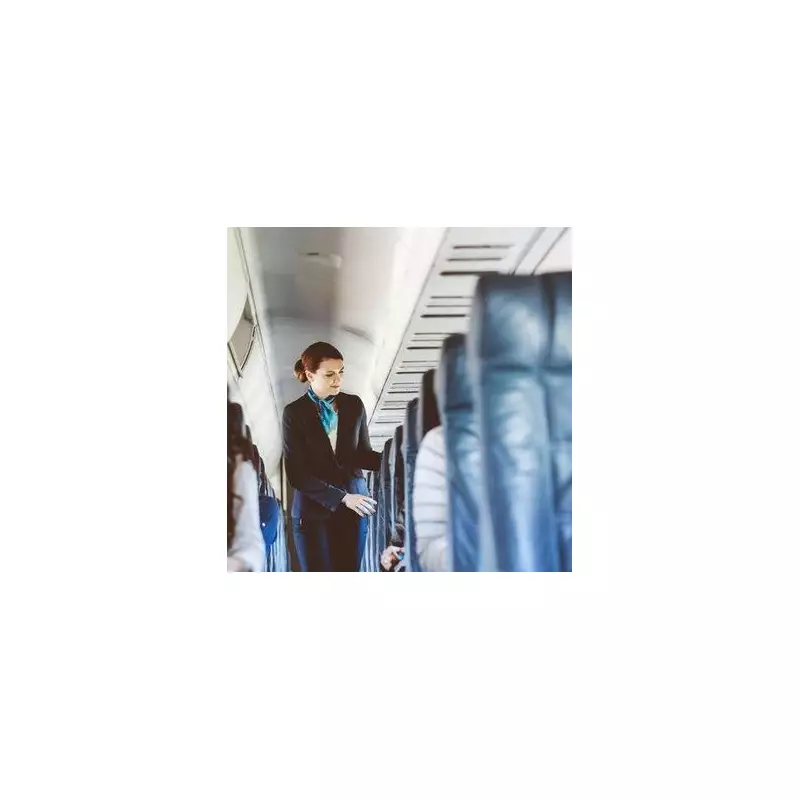
For passengers, the moments of takeoff and landing are often spent scrolling phones or gazing out the window. For the cabin crew, however, these are the most perilous phases of any journey, demanding unwavering focus and a specific, rehearsed physical posture that many travellers notice but rarely understand.
The Critical Phases of Flight
Aviation experts confirm that the vast majority of incidents occur during takeoff and landing. During these critical times, flight attendants are not merely seated; they are conducting a rigorous safety sweep of the cabin. Their duties include ensuring all passengers are seated with seatbelts fastened, tray tables stowed, and seats upright. This meticulous check allows the crew to devote their complete attention to potential safety issues.
Katherine Drossos, a qualified flight attendant and in-flight supervisor at Cirrus Aviation Services, explained the importance of this protocol to Travel + Leisure. "During the critical phases of flight, specifically takeoff and landing, cabin hosts ensure the cabin is fully secure and passengers are seated, briefed, and prepared. This allows full focus on safety during the most sensitive portions of the flight," she stated.

More Than Just 'Sitting on Hands'
Once the safety demonstration concludes, observant passengers might see crew members in their jump seats, sitting bolt upright with hands firmly placed on their thighs or tucked underneath their legs. While it may appear they are simply "sitting on their hands," Drossos clarifies this is a deliberate and trained brace-ready position.
"This posture stabilises the body, minimises the risk of injury during sudden movement or turbulence, and ensures hands are immediately available to respond if an evacuation or safety action is required," she detailed. The exact hand placement can vary by airline or aircraft type, but the core objective remains constant: to maintain stability, alertness, and immediate readiness.
The Mental Rehearsal Behind the Posture
The physical stance is only one component of the procedure. While seated in this brace-ready position, cabin crew simultaneously run through a silent mental rehearsal of emergency protocols.
"While seated, cabin hosts also conduct a silent safety review, mentally walking through emergency procedures, identifying exits, and confirming evacuation commands and responsibilities," Drossos explained. This dual physical and mental preparation ensures they are primed to act instantly should an emergency arise.
The technique gained widespread attention after a flight attendant, known as @_hennylim, demonstrated the routine in a viral TikTok clip. The video showed crew members boarding, securing their jump seats, and positioning their hands under their legs. She described it as the "bracing position," executed with palms up, thumbs tucked, arms relaxed, and feet flat on the floor to limit movement and injury during an unexpected impact.
While passengers are not required to adopt this specific brace position, aviation professionals strongly advise heeding safety briefings, reviewing the safety card, and keeping seatbelts fastened with seats upright during takeoff and landing. The seemingly simple way flight attendants sit is, in fact, a testament to intensive training and constant vigilance—a discreet yet vital practice in keeping everyone onboard safe.






