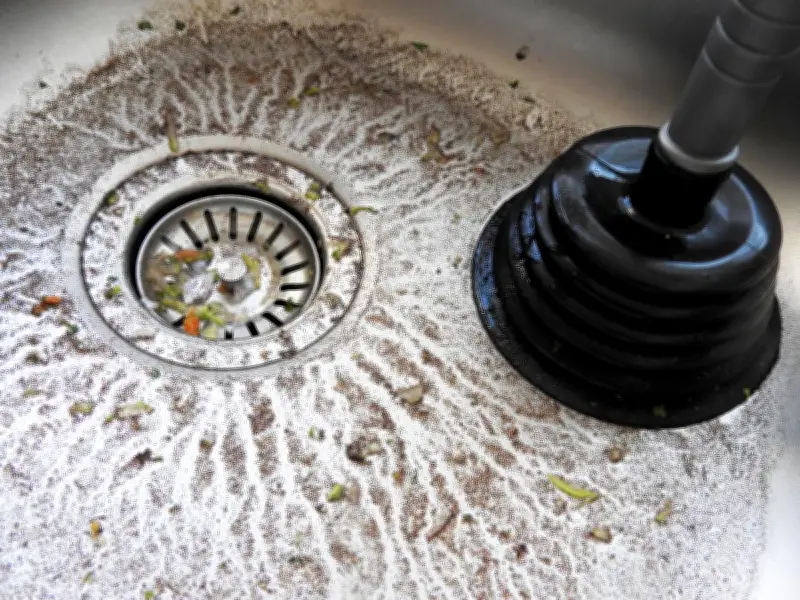
UK households have been warned not to pour cream liqueurs down the kitchen sink, as these drinks can cause serious plumbing issues. With summer approaching and many people relaxing with a favourite drink, experts caution that cream liqueurs—such as Baileys—are classified as FOG (fats, oils, and grease) and can wreak havoc on pipes.
Cream Liqueurs and FOG
According to experts at SAGE, cream liqueurs have enjoyed a resurgence in popularity, with flavours ranging from mango and strawberry to espresso and salted caramel. However, regardless of flavouring, all cream liqueurs fall under the FOG category, which also includes gravy, ice cream, cream, cooking oils, salad dressings, butter, and lard. FOG is described as a "plumber's worst nightmare" because it can solidify and cause blockages.
Fatbergs and Blockages
Pouring these substances down the sink risks creating fatbergs—large, rock-hard blockages in sewers formed from hardened FOG mixed with other waste. Thames Water reports that in London alone, more than 100 tonnes of fat are poured down sinks every day. The utility company clears over 100,000 blockages a year, with solidified fat responsible for more than half of them. Thames Water warns that even if a pipe is blocked by mistake, it is legally the homeowner's responsibility to fix it, and calling a plumber can cost over £200.
Other Culprits: Tuna and More
On June 26, BBC DIY SOS presenter Nick Knowles appeared on Morning Live to discuss fatbergs. He urged people to avoid pouring tuna brine or oil down the sink. While brine mainly consists of water and salt, leftover fish oils and bits can accumulate, mix with soap, and lead to serious blockages. Knowles said: "Don't pour your oils down the sink. I mean, most people know not to pour oils down your sink in the bathroom or in your kitchen now. But actually, most of us will drain a tin of tuna into the sink. With the oil that's in a tin of tuna, or maybe the fat from an air fryer, or coffee grounds, all these things, add to create a block."
How to Dispose Properly
Instead of pouring these substances down the sink, Knowles advises scraping them into a disposable container, such as a baked bean tin, and throwing it in the bin. This simple step can prevent costly plumbing repairs and help reduce the formation of fatbergs in sewers.