
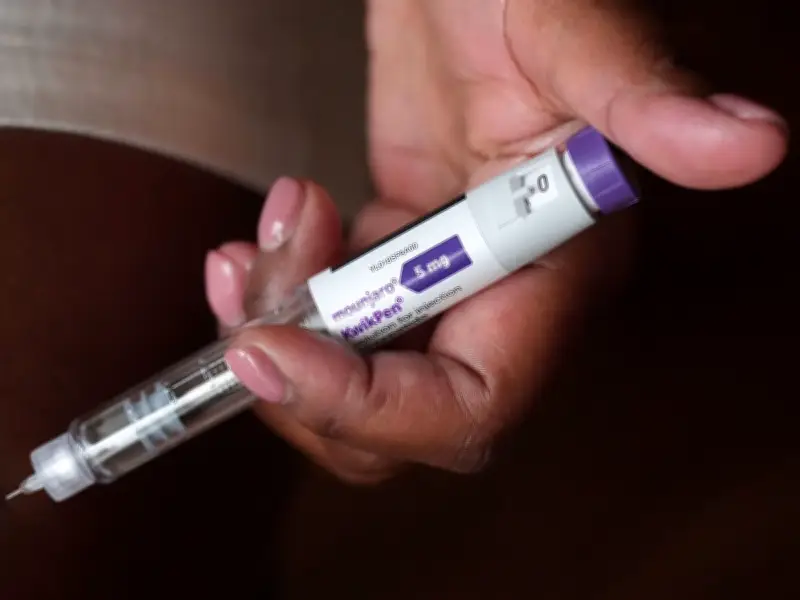
People taking weight loss injections such as Mounjaro and Wegovy who are heading on holiday this summer are being warned they could invalidate their travel insurance. Previous research suggests at least 1.6 million people in the UK are thought to have tried weight-loss jabs in the past year. Now, it is thought 337,000 people are set to travel abroad while taking the drugs this summer, according to online doctor ZAVA.
However, the company says only around 4,000 monthly online searches relate to how to travel with the medication safely, with experts warning many may be unaware of the rules around insurance.
Insurance Declaration and Risks
When taking out travel insurance, travellers are usually asked to declare existing health conditions. For those taking medicines like Mounjaro and Wegovy, this could include conditions like obesity, high cholesterol or high blood pressure, depending on why they have been prescribed the medication. Failing to declare these conditions could invalidate an insurance policy, ZAVA warns, meaning travellers may not be covered if they need medical treatment abroad or have to make a claim.
Drug Administration and Effectiveness
Both Wegovy and Mounjaro doses are given in weekly injection pens self-administered into the upper arm, thigh or stomach. The class of drugs is known as GLP-1 receptor agonists because they mimic the effects of the naturally occurring hormone called GLP-1. People taking weight loss drugs typically start to lose weight within a few weeks. One study, funded by Mounjaro manufacturer Eli Lilly, found that Mounjaro led to 20 per cent weight loss after 72 weeks of treatment, whereas Wegovy led to 14 per cent weight reduction.
Travel Regulations and Medication Storage
Travellers are also advised to check the rules on bringing prescription medication into their destination country before they fly. Some countries have restrictions on certain medicines or the amount that can be carried for personal use. Anyone taking Mounjaro or Wegovy should also carry evidence of their prescription and keep the medication in its original packaging.
Another common mistake is packing the injections in checked luggage. Experts at ZAVA warn that temperatures in an aircraft’s hold can become cold enough to damage the medication by freezing it, potentially making it unsafe to use. Instead, passengers are advised to keep the injections in their hand luggage. Essential liquid medicines are permitted through airport security, even if they exceed the usual 100ml liquid limit, although travellers should inform security staff and carry supporting documentation where possible.
Accommodation and Temperature Guidelines
Holidaymakers are also being urged to think about where they will store the medication once they arrive. Mounjaro and Wegovy should be stored according to the manufacturer’s instructions. They can be kept in a fridge at between 2C and 8C or at room temperature below 30C for up to 30 days for Mounjaro and 28 days for Wegovy. Pens exposed to temperatures above 30C or left unrefrigerated beyond these time limits should be thrown away. Travellers are therefore advised to check with their accommodation before travelling to ensure a fridge is available if needed.




