UK Airports Ease 100ml Liquid Rule with New CT Scanners
UK Airports Relax 100ml Liquid Rule with CT Scanners

UK Airports Implement Major Changes to Liquid Rules with Advanced Security Technology

Regulations governing the carriage of liquids at UK airports have undergone significant revisions, with two key alterations to the longstanding 100ml rule. These changes, driven by technological advancements, aim to streamline security processes and enhance passenger convenience across the nation's aviation hubs.

Heathrow Leads the Way with £1 Billion Security Overhaul

London Heathrow, Britain's busiest airport, confirmed on January 23, 2026, that it has fully implemented next-generation computed tomography (CT) scanners. This marks the culmination of a £1 billion security transformation initiative. The new scanners provide security personnel with detailed 3D imagery of luggage, enabling passengers to carry liquids of up to two litres in their hand luggage without removal during security checks. Additionally, travellers are no longer required to extract laptops, tablets, or other electronic devices from their bags at Heathrow terminals.

A statement from Heathrow emphasised: "Passengers travelling through all terminals at Heathrow no longer need to remove liquids or electronics from their hand luggage, or juggle plastic bags at security. The UK's hub has become the largest airport in the world to fully roll out next-generation CT scanners, promising faster queues, less stress, and a smoother start to journeys for millions of travellers."

Wide Pickt banner — collaborative shopping lists app for Telegram, phone mockup with grocery list

Two Major Changes to the Liquid Regulations

The updated rules, which began taking effect on July 17, 2025, introduce two primary modifications:

  • Travellers can now carry up to two litres of liquids in their hand luggage.
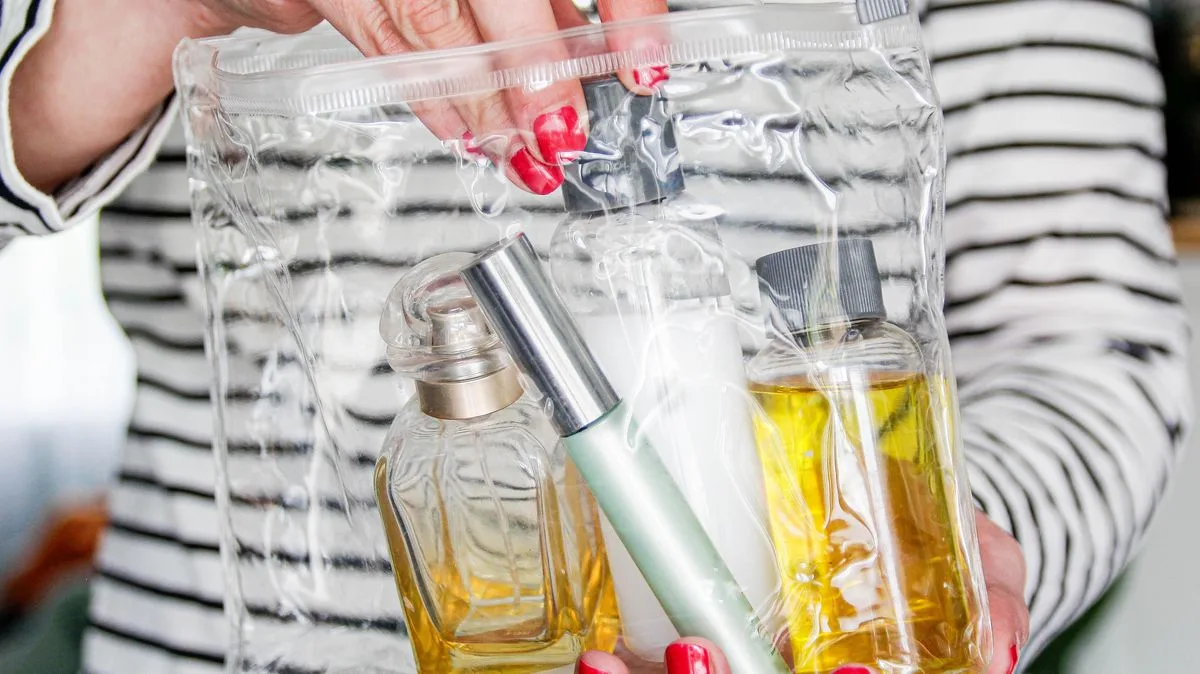
  • Passengers are no longer obligated to separate liquids into clear plastic bags when passing through security checkpoints.

All UK airports were mandated to install new CT scanners by summer 2025 to facilitate these changes. However, implementation has varied, with some airports still enforcing the previous restrictions.

Airports Adopting and Maintaining the Old Rules

Several airports have successfully transitioned to the new system, including Belfast International, Belfast City, Birmingham, Bristol, Edinburgh, London Gatwick, and London Heathrow. In contrast, other airports continue to enforce the 100ml limit or require liquids to be removed and placed in clear plastic bags. These include Aberdeen, Bournemouth, Cardiff, East Midlands, Glasgow International, Glasgow Prestwick, Inverness, Isle of Man, Leeds Bradford, Liverpool, Luton, London City Airport, Manchester, Newcastle, Newquay, Norwich, Southampton, Southend, Stansted, and Teesside.

Exemptions remain in place for essential medicines, baby food or milk, and special dietary requirements. Passengers are advised to verify their airport's specific requirements before travelling, particularly ahead of peak periods like the February half-term, to avoid delays or confiscation of items.

Historical Context and Security Background

The 100ml liquid ban was introduced globally in August 2006 following a foiled terrorist plot to destroy transatlantic flights from Heathrow to North America. Suspects allegedly planned to smuggle explosive components in soft drink bottles, leading to immediate, stringent restrictions that reshaped aviation security. Over time, political commitments, including pledges by Boris Johnson in 2019 and deadlines extended by Rishi Sunak's government to June 1, 2024, have aimed to ease these rules through technological upgrades.

A Department for Transport spokesperson noted: "Airports are responsible for the installation and operation of security equipment. Passengers should continue to check security requirements with airports before they travel and come prepared with liquids in containers no larger than 100ml in hand baggage unless advised otherwise."

Pickt after-article banner — collaborative shopping lists app with family illustration

Prohibited Items and Travel Preparedness

While liquid rules have relaxed, other security prohibitions remain in force. Items banned from UK airport security include bleach, catapults, compressed gas, corrosives, explosives, firearms, fireworks, flammables, golf clubs, heavy bats, ignitable gas devices, incapacitating sprays, infectious substances, instruments containing magnets, magnetrons, martial arts equipment, non-safety matches, oxidisers, poisons, radioactive materials, sharp items, smoke canisters, toxic substances, vehicle fuel system components, walking poles, and wet-cell car batteries.

Passengers are encouraged to stay informed and plan accordingly to ensure a hassle-free travel experience amidst these evolving regulations.