The Australian Greens have demonstrated that even economic terminology is not immune to political correctness, as Senator Nick McKim repeatedly used the term 'grandpersoning' in place of the traditional 'grandfathering' during a press conference this week.
McKim's Gender-Neutral Language
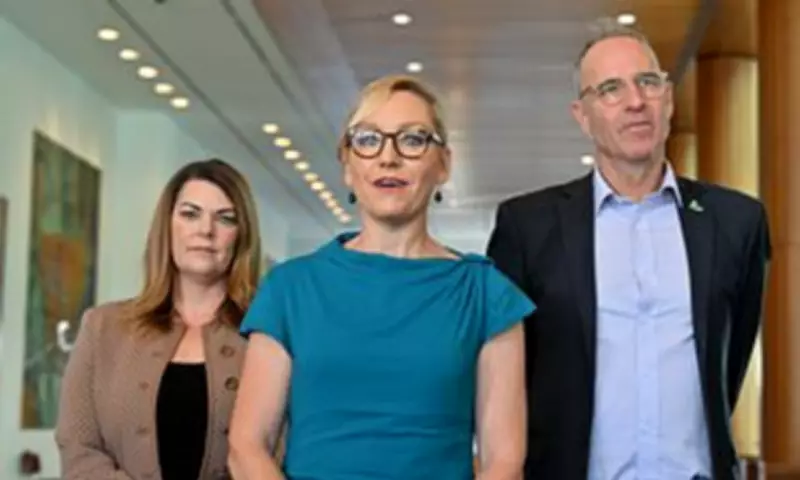
Senator Nick McKim, a Tasmanian senator, employed the gender-neutral phrase three times while answering a single question at a media event alongside party leader Larissa Waters on Tuesday. 'It seems as if the government is going to grandperson in existing arrangements,' he stated. McKim argued that 'grandpersoning' would mitigate the benefits of reforming negative gearing, a tax break popular with property investors.
'Grandfathering' clauses, as they are more commonly known, are provisions that exempt current arrangements from changes in new laws and contracts. McKim's comments drew sharp criticism from conservative commentators. Rita Panahi wrote in a column that the remark was 'a sign of just how fringe and feckless the Greens are,' labelling the party 'radical communist clowns'.

Social Media Backlash
A Sky News Australia post about McKim's language sparked further controversy, including a quip that 'I'd hate to break it to Nick McKim that the word "person" has "son" in it.' Others suggested McKim was deliberately trolling his critics, dubbing them 'conservative snowflakes'. However, McKim's unique phrasing does not appear to have been adopted by his colleagues. A Greens media release on the Budget changes criticised Labor for 'leaving intact tens of billions in existing tax handouts for wealthy property investors through grandfathering'. The party's housing spokeswoman, Senator Barbara Pocock, also said: 'The housing tax changes grandfather inequality.'
Context of Negative Gearing Reforms
McKim's comments preceded Treasurer Jim Chalmers' confirmation that negative gearing would be axed on all properties except new builds from July 1, 2027. Labor will also reform the capital gains tax, eliminating the 50 per cent discount in favour of a model tying it to inflation. The controversy highlights ongoing debates around language and policy in Australian politics.