Turkey's Ambitious £3 Billion Underwater Tunnel to Link Europe and Asia
Construction is progressing on one of the world's most ambitious infrastructure projects: the massive £3 billion Great Istanbul Tunnel, designed to create a direct underwater connection between Europe and Asia beneath the Bosphorus Strait. This monumental engineering feat is scheduled to open to the public in 2028 and is expected to transform transportation in the region.
Engineering Marvel Beneath the Bosphorus
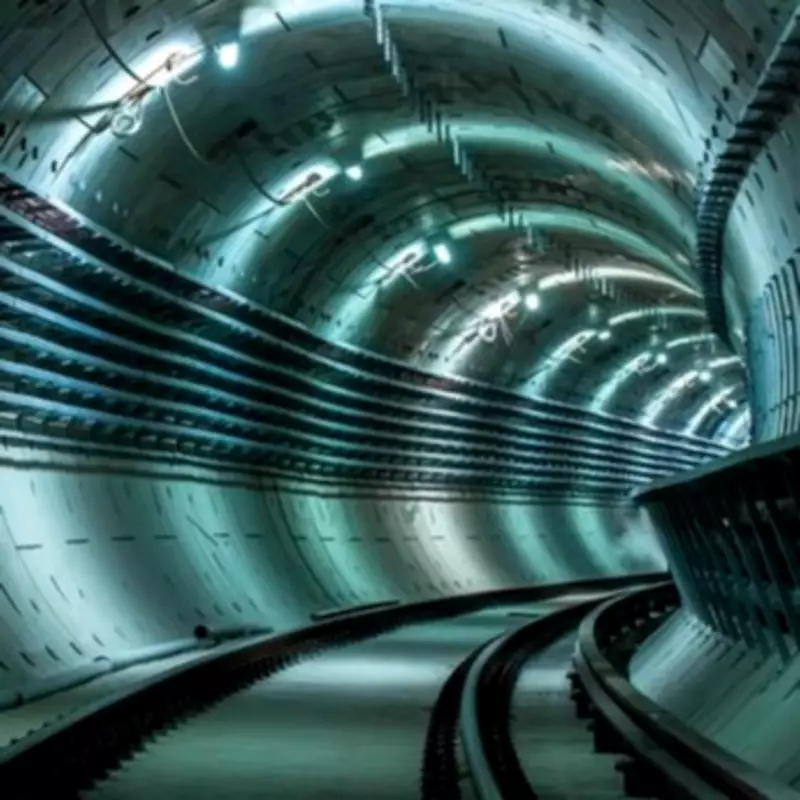
The tunnel will stretch for 6.5 kilometres (approximately 4 miles) beneath the vital Bosphorus waterway, connecting Istanbul's European and Asian sides. At 110 metres below sea level, with an impressive diameter of 18.8 metres, the structure represents a significant advancement in underwater engineering. The project is being excavated using one of the planet's largest tunnel boring machines, measuring a substantial 83 metres in length and 20 metres in width.
What makes this tunnel particularly innovative is its multi-tiered design. The structure will feature three distinct levels: two dedicated to vehicular traffic and one reserved for railway operations. This sophisticated configuration allows for simultaneous transportation of both cars and trains through the same underwater passage.

Transforming Regional Transportation
Upon completion, the Great Istanbul Tunnel is projected to carry approximately 1.3 million passengers daily, significantly easing the current transportation challenges between Europe and Asia. The railway component alone will accommodate an impressive 70,000 passengers per hour in a single direction, with 13 stations planned along its route.
Transport Minister Karaismailoğlu has indicated that the tunnel will enable rail travel times across the Bosphorus of just over 40 minutes, representing a substantial improvement over current crossing options. The project will become the third tunnel crossing beneath the Bosphorus, joining the existing 3.5-kilometre Marmaray Tunnel and the 5.4-kilometre Eurasia Tunnel.
Strategic Connections and Economic Benefits
The tunnel's strategic importance extends beyond simple transportation. It will connect the highways between Istanbul's three major airports: Istanbul Atatürk Airport, Sabiha Gökçen Airport, and Istanbul Airport. Additionally, it will integrate with 11 other railway systems, allowing Istanbul's crucial Metrobus line to operate at optimal capacity.
Turkish officials anticipate numerous economic benefits from this massive infrastructure investment. The tunnel is expected to enhance trade and tourism between Europe and Asia, create substantial new job opportunities, and stimulate significant economic growth throughout Turkey. Furthermore, by reducing traffic congestion in Istanbul, the project aims to improve residents' quality of life and decrease environmental pollution in the metropolitan area.
Addressing Growing Transportation Demands
The need for this ambitious project has become increasingly apparent as Istanbul's population and transportation demands continue to grow. According to data calculations from Istanbul's transportation plan, the number of daily crossings between the European and Asian sides of the Bosphorus is expected to exceed three million in the near future, up from the current figure of over two million crossings daily.
Originally announced by then-Prime Minister Ahmet Davutoğlu on 27 February 2015, the Great Istanbul Tunnel represents Turkey's commitment to upgrading its national transport infrastructure. As construction progresses toward the 2028 opening date, this underwater connection promises to become a vital link between two continents, reshaping regional transportation patterns for generations to come.