TSA to Implement $45 Charge for Identity Verification at Airport Security
American travelers arriving at airport security checkpoints without a federally compliant REAL ID or a valid passport will soon face a significant new financial penalty. Beginning on February 1, the Transportation Security Administration (TSA) will impose a $45 fee on passengers who require manual identity verification through its biometric or biographic ConfirmID system.
End of Free Screening for Non-Compliant Travelers
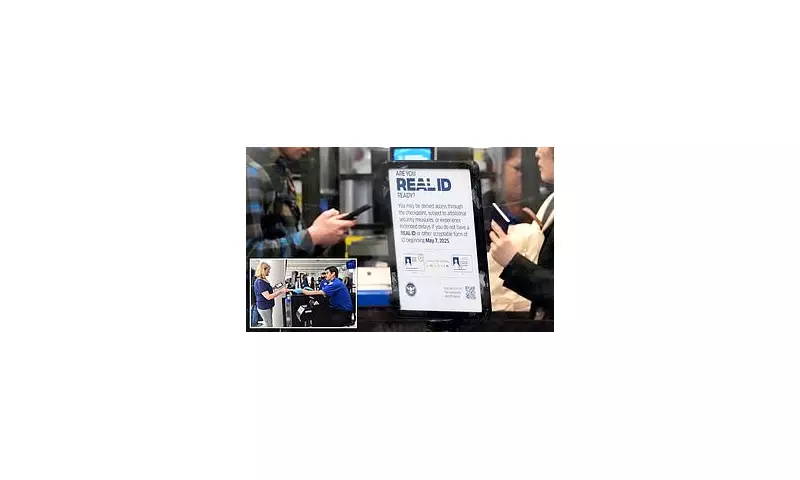
This development marks a substantial shift in policy, as until now, passengers without acceptable identification could undergo additional screening procedures at no extra cost. The introduction of this charge represents the second phase of the long-awaited REAL ID programme rollout, which was originally signed into law back in 2005 but only took full effect in May of this year.
Travelers can completely avoid this $45 charge by presenting any REAL ID-compliant license or one of numerous federally approved alternative documents at security checkpoints. The TSA has emphasized that acceptable identification includes:

- Valid passports
- Enhanced Driver's Licenses
- Global Entry cards
- Permanent Resident Cards
- Border Crossing Cards
- Tribal identification documents
- Veterans Health Identification Cards
- Transportation Worker Identification Credential (TWIC) cards
- Various other Department of Homeland Security-issued documents
Identifying REAL ID-Compliant Documentation
REAL ID-compliant licenses are typically marked with a distinctive star symbol, which may appear in gold or black, or be incorporated within a state emblem such as California's bear insignia. This visual indicator helps both travelers and security personnel quickly identify acceptable identification.
Rationale Behind the New Fee Structure
Transportation security officials have defended the new charge as necessary due to the time-consuming and labour-intensive nature of manual identity verification processes. The TSA initially considered implementing an $18 fee but ultimately settled on the $45 amount after calculating the comprehensive costs associated with operating the ConfirmID system, including administrative overhead and information technology expenses.
"We needed to modernize the system. We needed to make sure the systems are safe," explained Steve Lorinez, TSA's deputy executive assistant administrator for security operations, in an interview with ABC News. The agency maintains that this fee structure ensures taxpayers are not subsidizing the identity verification process for individual travelers.
Important Limitations and Considerations
However, a senior TSA official clarified to Fox News that the $45 fee is nonrefundable and does not guarantee security clearance. Travelers may still be denied entry if their identity cannot be satisfactorily verified, even after payment has been made.
Beginning one week from today, passengers lacking REAL ID or passport documentation are encouraged to visit the TSA.gov website, complete the ConfirmID verification steps, and pay the required fee before returning to airport security checkpoints. The agency estimates this process typically takes between 10 and 30 minutes to complete.
On-Site Procedures and Temporary Authorization
Those arriving at airports without acceptable identification will be redirected from security lines to complete the same verification steps on-site. Even travelers whose documents have been lost or stolen must utilize this system, with approval remaining uncertain in all cases.
For individuals successfully verified through the ConfirmID system, the $45 payment grants access through TSA checkpoints for a period of 10 days before another fee becomes necessary. The TSA stresses that while ConfirmID remains optional, passengers who choose not to use it risk missing their flights if security officers cannot confirm their identity through conventional means.

Compliance Requirements and International Considerations
All travelers aged 18 and older must present REAL ID-compliant documentation to board domestic flights within the United States. It is important to note that a REAL ID does not substitute for a passport on international journeys, though a valid passport will permit domestic travel for those without compliant licenses.
Foreign nationals must present a passport, passport card, or border crossing card, while Canadian citizens may use provincial driver's licenses or Indian and Northern Affairs Canada identification cards.
Current Compliance Levels and Passenger Communication
The Transportation Security Administration reports that approximately 94 percent of travelers are already carrying compliant identification. The agency is collaborating with airlines to ensure passengers receive appropriate notifications about these new requirements during the flight booking process, aiming to minimize disruptions and ensure smooth security procedures for all travelers.