

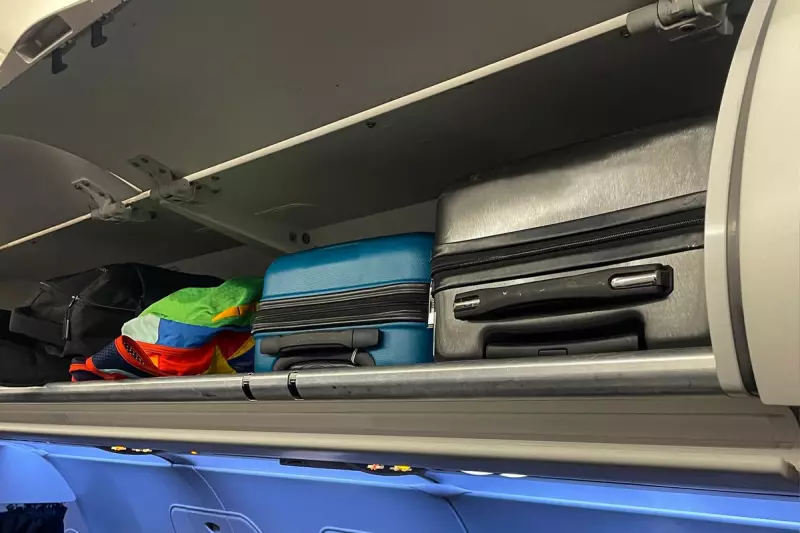
Airline passengers across the UK and beyond face a growing patchwork of rules for cabin baggage, with carriers becoming increasingly strict about what you can bring on board. The confusion is set to deepen as Virgin Australia prepares to implement new domestic limits from February 2026, restricting economy passengers to a single 8kg cabin bag plus one personal item.
The Core Reasons Behind the Rules
Why can two airlines flying identical aircraft on similar routes have completely different carry-on policies? The answer lies in a complex mix of operational, regulatory, and commercial factors. These are not arbitrary decisions but are dictated by critical considerations that affect every flight's safety and profitability.
First and foremost is the aircraft's maximum take-off weight (MTOW). Every plane has a strict legal limit, a total weight that cannot be exceeded for a safe departure. This weight encompasses the empty aircraft, fuel, crew, passengers, and all cargo and baggage—both checked and carried into the cabin. Airlines must carefully calculate and distribute this weight to stay within safe parameters.

Passenger Averages and Ancillary Revenue
Secondly, airlines use average passenger weight calculations, which include an allowance for cabin bags. These averages are approved by national aviation regulators and are updated periodically. If the assumed weight of passengers and their belongings increases, airlines may tighten limits on paper to ensure the real-world total doesn't breach the MTOW.
The third major factor is the individual airline's operational approval from regulators. Each carrier's specific procedures, including baggage policies, are part of a certified safety framework. Furthermore, the commercial landscape has radically shifted. The rise of low-cost carriers, which rely heavily on ancillary revenue from charges for extra luggage, has driven a widespread move away from more standardised, generous carry-on policies across the entire industry.
Safety Concerns and Practical Impacts
Strict enforcement is not merely about profit; it addresses genuine safety risks. Excessive or overweight cabin baggage contributes to several documented issues:
- Flight delays during boarding as crew struggle to find space.
- Injuries to cabin crew and passengers from lifting heavy bags into overhead lockers.
- A potentially critical hindrance during an emergency evacuation, where bags left in aisles or at exits could block escape routes.
The upcoming changes from Virgin Australia, reported by Natasha Heap in The Conversation on Wednesday 14 January 2026, exemplify this industry-wide trend. For travellers, the key takeaway is to always check their specific airline's rules before heading to the airport, as the days of a universal standard are long gone. The interplay of physics, regulation, and commerce will continue to shape what you can pack in your hand luggage.






