
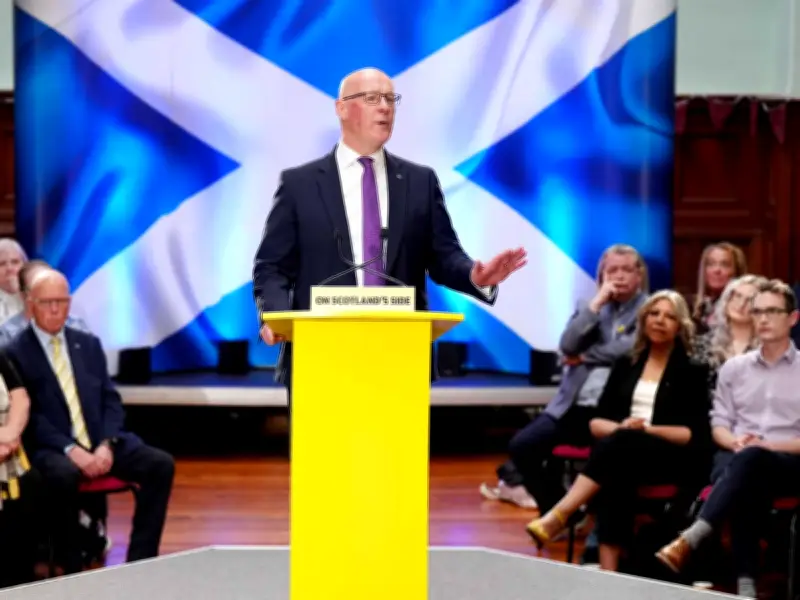
John Swinney is under pressure to name the date when a key manifesto promise to lower public transport costs will be delivered. The SNP leader pledged during a pre-election speech in April that a £2 cap on bus fares would be introduced across Greater Glasgow and the west of Scotland within 100 days of his party being returned to power.
Transport Secretary's Vague Response
But Stephen Flynn, the Transport Secretary, told MSPs yesterday he did not recognise a deadline of August 16 – 100 days after the Holyrood election on May 8 – and instead claimed the policy will “move forward as quickly as we possibly can.”
Swinney's April Pledge
Speaking at a campaign event in Govan on April 27, Swinney told an audience of SNP candidates and activists: “When I say I want to make bus travel more affordable for people, I mean it. Bus fares are already capped at £2 in the Highlands and islands. And we’re going to extend that all across Scotland. Within the first one hundred days, we will extend the £2 bus fare cap to Glasgow, Ayrshire, Dunbartonshire, Renfrewshire, Lanarkshire and Inverclyde.”
Operator Concerns
McGill's, a leading bus operator in Glasgow and Inverclyde, told the Record it had long doubted a £2 fares cap could be introduced so soon after the election. Ralph Roberts, chairman of McGill’s Group, said: “We have been warning for some time that a policy of this scale could not simply be announced in a manifesto and delivered without detailed planning, proper consultation with operators and clarity on long-term funding.
“From day one, we said we supported measures that encourage more people to use public transport, but we also made clear that the lack of detail made it impossible for operators to prepare in any meaningful way. The Scottish Government has now effectively acknowledged what the industry has been saying all along – that there is significant work still to be done before a national fare cap can be introduced.
“If this policy is to succeed, it must be properly funded and designed in partnership with the operators expected to deliver it. The worst outcome would be a short-term political announcement that ultimately proves unsustainable and leaves passengers and communities worse off.”
Labour's Challenge
Paul Sweeney, a Scottish Labour MSP for Glasgow, pressed Flynn on when the cap would be introduced. He said: “Stephen Flynn should be aware of his own party's election commitments on this key policy area. As he didn't provide a clear answer to my question in the chamber, I hope that he will clarify whether the SNP intend to stick to their election promise of capping bus fares at £2 in Greater Glasgow and Strathclyde within the first 100 days of this term of Parliament, which would be by August 16. Glaswegians have been paying the highest bus fares in the UK for too long, so they deserve clarity on when the fare cap will actually take effect.”
Context and Support
A similar policy has been in place in England since 2023, with single journeys capped at £2, saving regular commuters hundreds of pounds. The Scottish Greens have long pushed for a cap on fares and said it would build on the success of free bus travel for Scots under-22, which has resulted in 730,000 young people taking 140 million journeys since it was introduced in 2022.
The Record asked Transport Scotland for comment.




