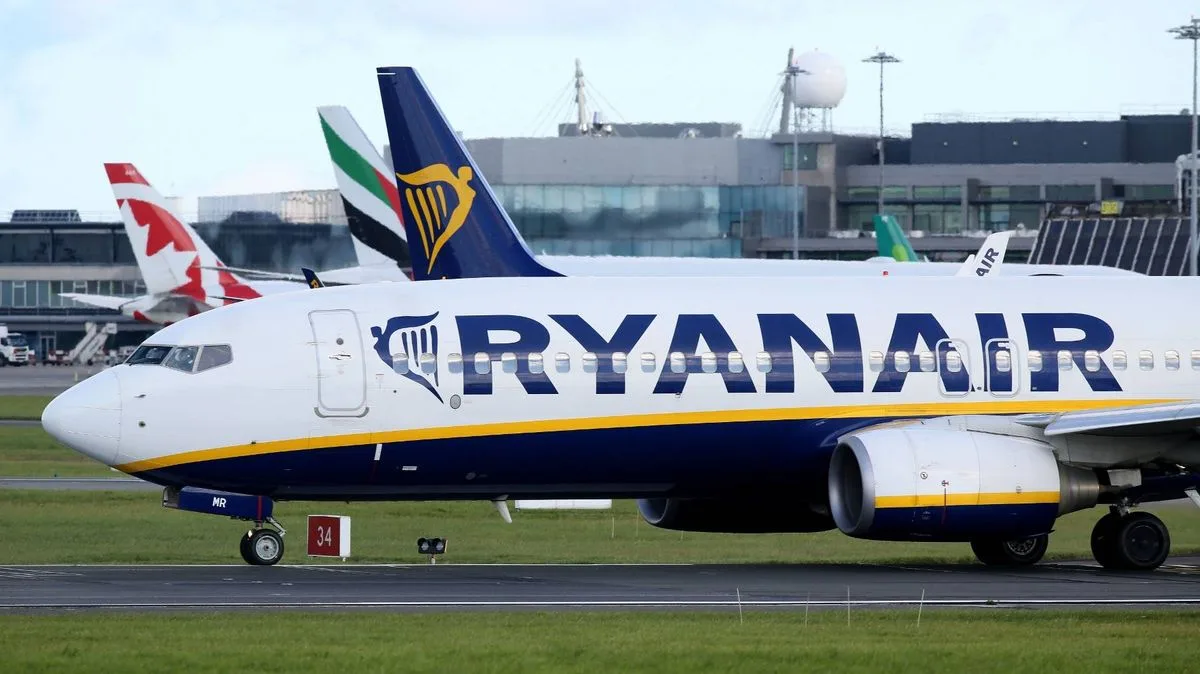
Ryanair has confirmed that passengers scheduled to fly from Milan Bergamo to Manchester last week were left behind due to difficulties at passport control. The rollout of a European digital border control system, known as the Entry-Exit System (EES), has been held responsible for significant delays at airports across Europe.
The system was rolled out across all Schengen Area border checkpoints on April 10. Over the last few weeks it has meant that passengers have taken longer to get through airport security and some have even missed flights as a result. EES requires non-EU nationals, including British citizens, to register biometric data, including facial scans and fingerprints, which are subsequently verified each time they cross a European Schengen Area border.
Ryanair has since addressed the incident at Milan Bergamo airport. They said: 'Should these passengers have presented at the boarding gate desk before it closed, they would have boarded this flight.' The airline added: 'Due to passport control delays at Milan Bergamo Airport on 16 April, a number of passengers missed this flight from Milan to Manchester.'
One passenger told the BBC that approximately 30 travellers were left stranded, though Ryanair declined to confirm the exact number affected. It subsequently emerged that another Ryanair flight also left passengers behind on the day EES was due to be activated across all Schengen countries. The airline told the BBC 'a number of passengers' missed a flight from Tenerife South to East Midlands on Friday, April 10, once again attributing it to passport control delays.
A spokesperson from Ryanair told Wales Online: 'The claim that Ryanair left passengers behind in Milan is FALSE. All passengers that were at the boarding gate when this flight from Milan Bergamo Airport boarded were accommodated and travelled without incident. Some passengers missed their flight, solely because they were not in the boarding gate area when boarding for their flight opened and closed. These passengers missed their flight, they were NOT "left behind."'
A spokesperson for the European Commission said the EES system was 'working very well'. In the vast majority of EU member states, it said, there had been 'no issues'. However, the Commission acknowledged there were 'a few member states where technical issues have been detected – as can be expected in the first days of full operation of any major new system'. The Commission maintained that the system's purpose was to strengthen border security and safeguard EU citizens.