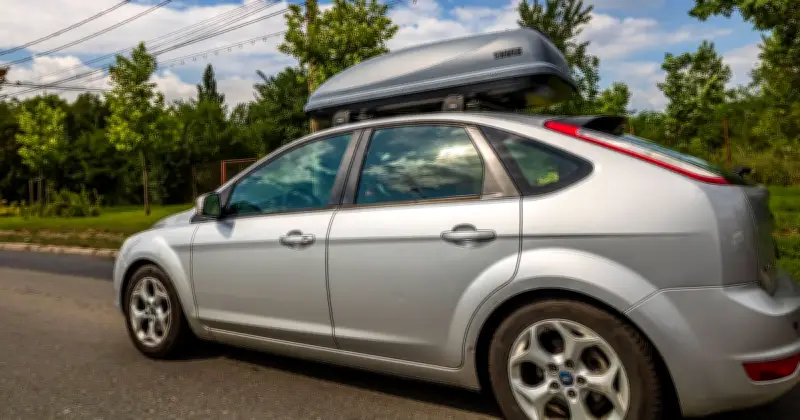
Motorists heading off for the August bank holiday weekend are being urged to remove unused roof boxes before departing, as the accessory could push fuel consumption up by as much as 25% at a time when forecourt prices are already on the rise, according to one expert.
Fuel costs and the impact of roof boxes
The latest government figures place average petrol at 162.15p per litre and diesel at 181.97p, meaning a 55-litre fill-up costs approximately £89 for petrol and £100 for diesel. For a trip that would ordinarily require £40 of fuel, a 25% rise in consumption could tack on roughly £10 to the bill, simply from leaving a roof box in place.
Paul Gorry, vehicle expert at luxury motorhome manufacturer Auto-Trail, said: "Bank holiday journeys often mean a car is already carrying more passengers and luggage than usual, so leaving a roof box fitted can add even more weight and drag. Even when there is nothing inside it, the box still creates extra air resistance, which can make the car use more fuel over a longer journey."
Speed and fuel efficiency
Motorway speeds can push fuel use up by 25%. Paul said: "The effect becomes much more noticeable at higher speeds, particularly for drivers covering long distances over the bank holiday weekend. At 70mph, a roof box can increase fuel consumption by around 15% to 25%, compared with around 10% to 15% at 60mph and roughly 2% to 5% when driving in towns."
Paul said: "Dropping your motorway speed from 70mph to 60mph can cut fuel use by around 15% to 20%, which could help offset some of the extra consumption caused by luggage weight. Keeping a steady speed, accelerating smoothly and avoiding unnecessary braking can also help reduce fuel use on longer bank holiday journeys."
Choosing the right roof box
Bigger roof boxes can cost more in fuel. Paul added: "Choose a roof box that matches the luggage you actually need to carry rather than automatically opting for the largest one. A more streamlined roof box may increase fuel use by around 10% to 15% at 70mph, while larger boxes of 600 litres or more can push that increase to as much as 25%. The bigger and bulkier the box, the more air resistance it can create, which can add up over a long motorway journey."