
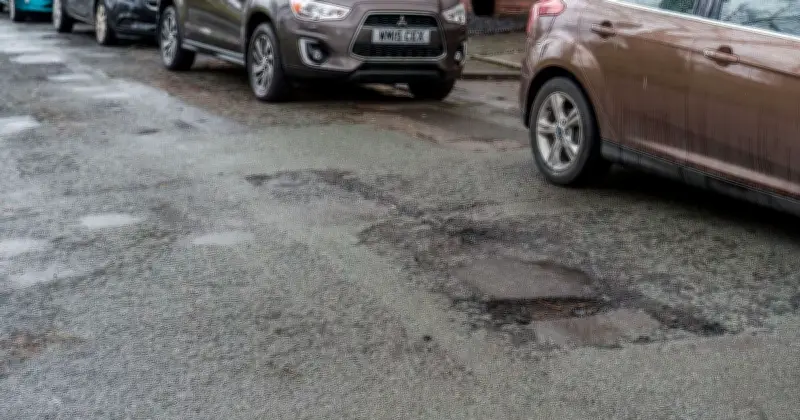
Motorists whose cars are damaged by potholes could be entitled to compensation, but the odds of getting a payout from their local council remain stacked against them. Drivers must gather evidence, including a picture of the hole, to strengthen their case.
With Britain's roads continuing to crumble, thousands of drivers are being left with repair bills running into hundreds of pounds for damaged suspension, shock absorbers, tyres and wheels. Consumer group Which? is warning drivers that while they have a legal right to seek compensation from the authority responsible for maintaining the road, most claims are unsuccessful and can take months to resolve.
Low Success Rates for Council Claims
Research by the RAC found that just 26% of pothole compensation claims made to councils in 2024 were settled within a year, while the vast majority were rejected. In fact, 97% of councils surveyed turned down at least 90% of the claims they received. That leaves drivers facing a difficult choice: battle it out with the council or claim on their car insurance instead.
Under UK law, motorists can seek compensation if they can show that a council failed in its duty to maintain the road properly. However, councils can often defend claims by demonstrating that they had a reasonable inspection and repair programme in place.
Regional Variations in Payout Rates
The chances of success vary dramatically depending on where drivers live. Data obtained by price comparison site Quotezone through Freedom of Information requests found that more than 9,000 claims worth £10.2 million were submitted to 13 English county councils between April 2024 and March 2025. Yet only £666,712 was paid out – equivalent to just 6% of the total amount claimed.
Among the councils analysed, Oxfordshire had one of the highest payout rates, settling claims worth 20.5% of the value sought by motorists. Warwickshire paid out 19.4%, while Nottinghamshire settled 16.1%. By contrast, drivers in some areas faced far tougher odds of recovering their losses. West Sussex County Council paid £97,654 from claims totalling £625,197, equivalent to 15.6%, while Cambridgeshire County Council paid £114,294 from almost £800,000 worth of claims despite receiving 1,000 separate cases. Further down the list, Surrey County Council paid just £39,255 from claims worth £387,189, while Suffolk County Council had the lowest payout rate among the authorities listed, paying only £8,480 from claims totalling £94,370 – less than 9% of the amount sought by motorists.
Evidence Needed for a Successful Claim
Drivers who do decide to pursue a council claim are advised to gather as much evidence as possible, including photographs of the pothole, pictures of the vehicle damage, repair invoices and details of exactly where and when the incident occurred.
If your car hits a pothole, it can mean paying hundreds in repair costs. For many motorists, claiming on insurance may prove the faster route. Fully comprehensive car insurance policies generally cover accidental damage caused by potholes, although drivers will usually have to pay an excess.
Insurance Claims vs Council Claims
Which? examined 66 policies and found that 59 included a compulsory excess for accidental damage, ranging from £45 to more than £350. However, there can be another sting in the tail. Making a claim could affect a driver's no-claims bonus and potentially increase future premiums, depending on the insurer and the circumstances of the claim.
The consumer group found that insurers generally have a much stronger record of paying claims than councils. In a recent survey, 92% of motorists said their most recent motor insurance claim had been paid either in full or in part.
The warning comes as pothole damage traditionally peaks during the first four months of the year, when wet weather and freezing temperatures leave road surfaces particularly vulnerable to breaking up.




