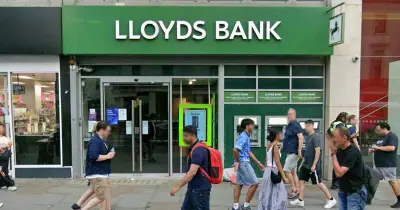
The transformation of Oxford Street has moved from blueprint to reality, as Sadiq Khan implements a greener, pedestrian-first boulevard to last for years to come.
From Monday morning, cars, taxis, cyclists and five bus routes will be banned from large sections of the capital's busiest shopping street, marking the first phase of a £150 million pedestrianisation scheme designed to revive one of London's most famous retail destinations.
Final preparations along the route
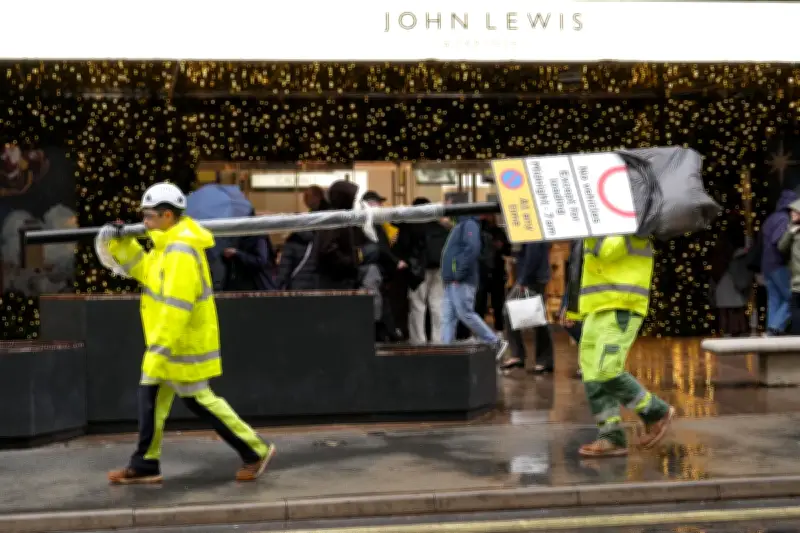
Ahead of the launch, pictures from this weekend show crews carrying out final preparations along the route, removing now-redundant road signs and bus stops while installing hundreds of black-and-white bollards and safety barriers that will define the new pedestrian zone.
The section of Oxford Street between Orchard Street and Great Portland Street will be closed to vehicles, cycles and scooters from Monday.
The changes will be immediately visible to the millions of shoppers, workers and tourists who pass through Oxford Street every year. A traffic-free stretch will run from Great Portland Street to Selfridges, creating a new public space that supporters hope will restore the street's appeal as a destination rather than a thoroughfare.
What visitors can expect on Monday
What visitors encounter on Monday will only be the beginning. Alongside the temporary barriers, Transport for London travel ambassadors will be stationed across the area to help guide pedestrians and explain the new layout during the first days of operation.
The longer-term vision is illustrated in a series of CGI images released by project leaders, showing a significantly greener and more welcoming Oxford Street. Plans include around 100 new seats, extensive planting, more than 50 trees and a network of landscaped areas designed to encourage people to spend more time on the street.
Supporters say the scheme will build on the success of the Elizabeth line and help attract further investment from major global retailers, while creating a cleaner and more attractive environment for visitors.
Support and criticism of the scheme
Backers argue that pedestrianisation is essential if Oxford Street is to compete with modern shopping districts elsewhere in Europe and beyond. Among them is project chairman Scott Parsons, a retail veteran who has spoken of wanting to turn the street into a place where people choose to linger rather than simply pass through.
Critics, however, remain concerned about the wider impact on the West End road network. They argue that the scheme has been rushed and warn that displaced traffic could increase congestion on surrounding streets, including Wigmore Street, Brook Street and Regent Street.
While north-south traffic will still be able to cross Oxford Street at designated points, motorists will face a series of new one-way systems as the area adapts to the new layout.
For now, the latest images capture a street in transition: part construction site, part vision of the future. By Monday morning, one of London's most recognisable roads will begin a new chapter, with the full transformation set to unfold over the coming years.