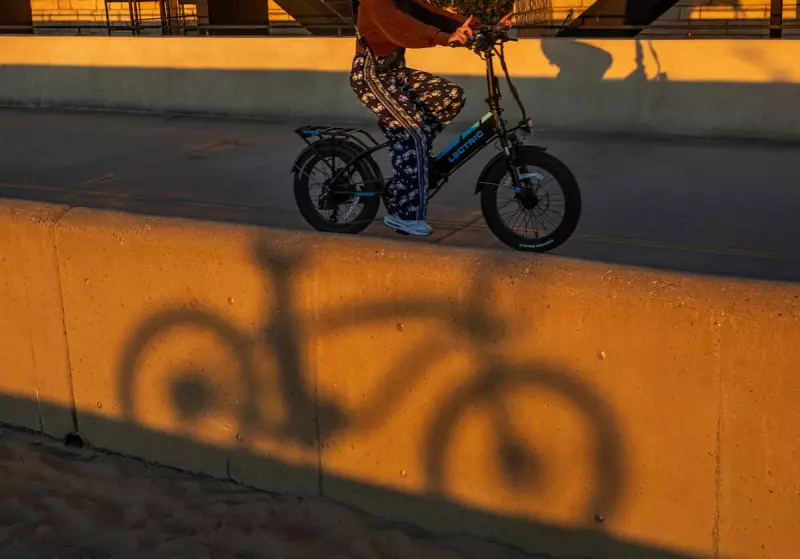
The New South Wales government has announced a major crackdown on the power and speed of electric bicycles, following the death of a rider in a collision with a garbage truck. The new rules will effectively halve the legal limits for e-bikes sold and used in the state.
Immediate Regulatory Response to Tragedy
The decision comes after a fatal incident in Sydney's inner west, where a 46-year-old man riding an e-bike died after a collision with a council garbage truck on Monday morning. The crash occurred on the corner of Johnston and Annandale streets in Annandale just before 8 am. Police and paramedics attended, but the rider could not be saved.
In response, the NSW government has moved swiftly to introduce what it calls "the toughest e-bike regulations in the country." The legal power output for new e-bikes will be slashed from 500 watts to 250 watts. Furthermore, the top speed at which the motor can provide assistance will be reduced from 25 km/h to just 15 km/h.

Details of the New Safety Framework
Transport for NSW has confirmed that the changes will be implemented through an urgent amendment to the Road Transport Act. The regulations target what authorities describe as "high-powered, motorcycle-style" electric bikes that currently exploit a legal grey area. These vehicles often far exceed the existing power and speed limits but are difficult for police to distinguish from compliant models without technical inspection.
The new rules will apply to all new e-bikes sold in NSW from a date to be specified shortly. The government is also launching a public awareness campaign to highlight the changes and the dangers of non-compliant vehicles. Owners of existing e-bikes that exceed the new limits will be given a transition period, but details are yet to be finalised.
Broader Implications and Industry Reaction
This regulatory shift places NSW at odds with other Australian states and territories, which largely adhere to the 250-watt, 25 km/h standard. The move has sparked immediate debate. Road safety advocates have welcomed the decisive action, arguing that the proliferation of overpowered e-bikes poses a significant risk to riders and pedestrians alike, particularly on shared paths.
However, the retail and cycling industries have expressed deep concern. The Bicycle Industry Association warned that the changes could devastate local businesses, confuse consumers, and undermine efforts to promote active transport. They argue that the problem lies not with compliant e-bikes, but with the illegal modification of vehicles and the lack of enforcement against blatantly non-compliant models sold online.
The fatal crash in Annandale remains under investigation by the NSW Police Crash Investigation Unit. A report is being prepared for the coroner. The garbage truck driver was taken to hospital for mandatory testing and is assisting police with their inquiries.
This tragedy and the subsequent regulatory crackdown highlight the growing pains associated with the rapid adoption of new micro-mobility technologies. The NSW government's drastic measures signal a prioritisation of safety over convenience, setting a precedent that other jurisdictions may now scrutinise as they grapple with similar challenges.