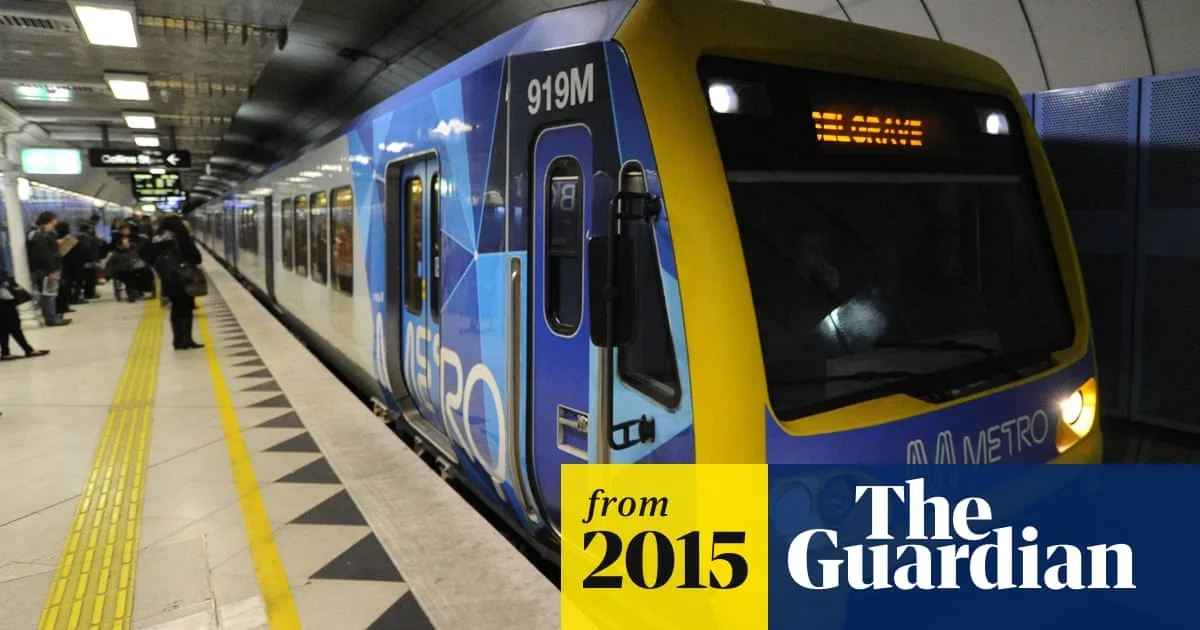
After years of anticipation and construction, Melbourne's monumental Metro Tunnel project has finally opened its doors to the public. This landmark infrastructure endeavour, representing an investment of over £11 billion, promises to fundamentally reshape how residents and visitors navigate Australia's second-largest city.
A New Artery for a Growing City
The core achievement of the project is the creation of a brand-new, nine-kilometre twin rail tunnel running directly beneath the heart of Melbourne's central business district. This subterranean passageway links the Cranbourne and Pakenham lines in the city's south-east to the Sunbury line in the west, establishing a vital through-route that bypasses the congested City Loop.
Central to this new network are five new underground stations, each designed as a destination in its own right. The stations at Arden, Parkville, State Library, Town Hall, and Anzac are not merely stops but major architectural statements and community hubs. The Town Hall station, for instance, is poised to become one of the busiest in the entire country, situated directly beneath Swanston Street.
The opening marks the culmination of a vision first proposed over a decade ago to address a pressing crisis. Melbourne's existing rail network, much of it designed in the 19th century, was buckling under the strain of a booming population. The City Loop, opened in 1981, had become a notorious bottleneck, with delays cascading across the entire system during peak hours.
Beyond Concrete and Steel: The Project's Broader Impact
The significance of the Metro Tunnel extends far beyond its tracks and platforms. For the precinct of Parkville, home to a massive hospital and university precinct, the new station ends a longstanding public transport deficit, providing a direct rail link for thousands of daily commuters, patients, and students.
Similarly, the Arden station is intended to act as a catalyst for urban renewal in a former industrial area, now earmarked for major development. The project's scale has been immense, involving the relocation of vast underground utilities and navigating the complexities of building directly beneath heritage buildings and busy streets.
While the opening is a cause for celebration, it has not been without its critics and controversies. The project ran over budget and behind its original schedule, facing challenges like industrial disputes and the global pandemic. Some urban commentators argue that while the tunnel is necessary, it represents a 20th-century solution to a 21st-century problem, suggesting that greater investment in a distributed network of trams and buses might have been more beneficial.
The Future on the Tracks
Nevertheless, the operational benefits are substantial. The new configuration is projected to allow for more frequent train services across the network, with the potential for a train every two to three minutes through the core tunnel section. By separating these busy lines from the City Loop, it will also increase the reliability and capacity of the wider metropolitan network.
The Metro Tunnel is more than just a new train line; it is a statement of intent for Melbourne's future. It represents the largest single investment in public transport in the state of Victoria's history and is a direct response to the city's rapid growth and the urgent need to reduce congestion and carbon emissions. As the first passengers ride through the deep-bored tunnels, they are not just travelling across the city—they are experiencing the first chapter of a new era for Melbourne's transport landscape.
The success of this £11 billion enterprise will ultimately be measured not in concrete and steel, but in the hours of commuting time it saves, the connectivity it provides to growing suburbs, and its role in shaping a more sustainable and liveable city for decades to come.