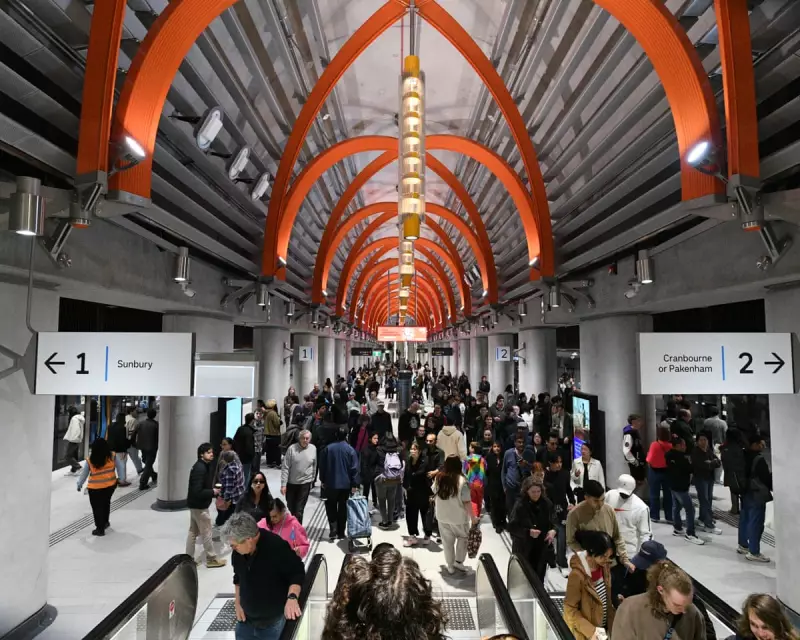
The recent inauguration of Melbourne's long-awaited Metro Tunnel has been marked by celebration and a renewed focus on the future of urban mobility. Crowds were pictured arriving at the striking new State Library station, signalling the start of operations for this major infrastructure project.
A Milestone for Melbourne's Rail Network
The Metro Tunnel project, which opened to the public, represents a significant upgrade to Melbourne's rail system. After years of construction and associated disruption, the new line promises to reshape how people move through the city. Similar metro expansions in Sydney and Brisbane highlight a national push towards more sustainable, high-capacity public transport solutions.
Beyond the Commute: A Call for Inclusive Transport
However, the launch has sparked a vital conversation about the language and vision surrounding such projects. In a letter to the editor, Will Atkins from Sydney responded to initial coverage, challenging the narrow focus on 'commuters'. He argues that world-class public transport, including metros, should be designed for all travellers, all of the time.

Atkins emphasises that the traditional weekday journey to the central business district is just one fragment of a city's transport needs. The true potential of projects like the Metro Tunnel is realised when people seamlessly choose them for every trip—whether visiting friends, going shopping, heading to the airport, or enjoying a concert—before considering private car use.
Envisioning Trholistic Urban Mobility
The letter champions a broader vision, aligning with global cities renowned for their excellent integrated transport networks, complemented by safe walking and cycling cultures. It's a call to think bigger: to see metros not merely as tools for moving commuters, but as the arteries that enable vibrant, connected, and sustainable urban life for every resident and visitor.
The opening of the Metro Tunnel is undeniably a pivotal moment for Melbourne. Yet, the accompanying dialogue serves as a crucial reminder that the infrastructure's ultimate success will be measured by how effectively it serves the diverse and dynamic travel needs of the entire community.