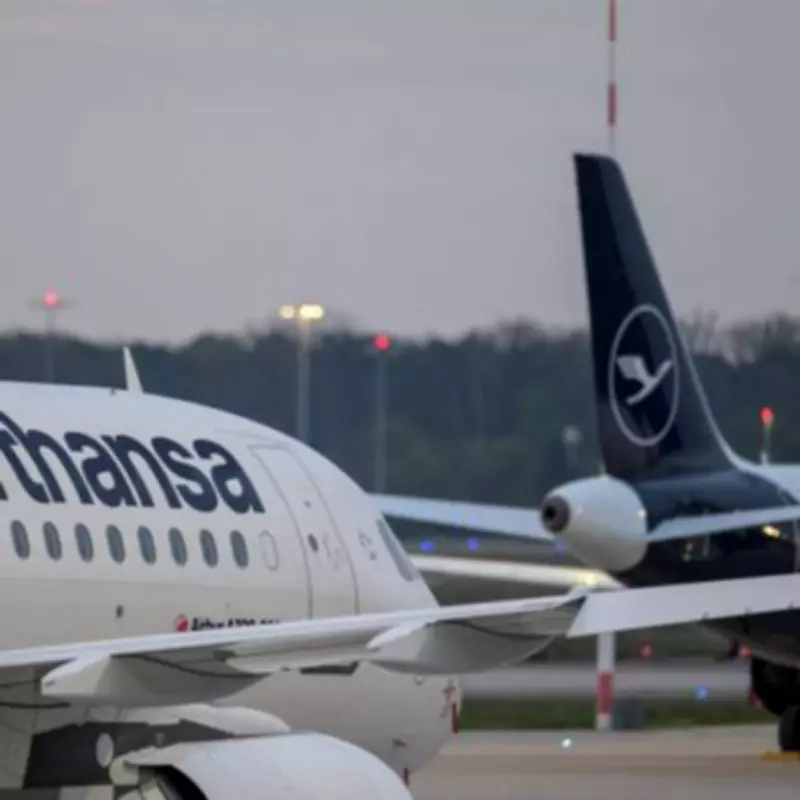
Lufthansa Slashes 20,000 Flights as Fuel Costs Spike and Travel Woes Intensify
In a dramatic move highlighting the deepening crisis in global aviation, European airline giant Lufthansa has announced the cancellation of a staggering 20,000 short-haul flights scheduled between May and October. This decision, revealed in a statement on Tuesday, April 21, 2026, represents one of the most significant flight reductions ever undertaken by a major international carrier, driven by soaring jet fuel prices and escalating travel disruptions.
Massive Cancellations to Conserve Fuel
A spokesperson for Lufthansa confirmed that the 20,000 axed flights are equivalent to approximately 40,000 metric tonnes of jet fuel. The price of this fuel has doubled since the outbreak of the conflict in Iran, compelling the airline to implement drastic measures to enhance operational efficiency. The cancellations are part of a broader consolidation of Lufthansa Group's European network, affecting its six key hubs in Frankfurt, Munich, Zurich, Vienna, Brussels, and Rome.
Despite these cuts, the airline assured passengers that access to its global route network, particularly long-haul connections, will remain intact. "However, due to the increase in jet fuel prices, this will be achieved significantly more efficiently than before," the statement elaborated. In addition to the long-term reductions, Lufthansa also cancelled about 120 daily flights starting Monday, April 20, underscoring the immediate impact of the fuel crisis.

Industry-Wide Aviation Turmoil
Lufthansa's announcement follows a wave of similar actions by more than 30 airlines worldwide, all grappling with the repercussions of the Iran conflict. The surge in jet fuel prices has sent shockwaves through the aviation sector, leading to widespread flight cancellations and the introduction of new charges by carriers. This situation was exacerbated by recent comments from the head of the International Energy Agency, who warned that Europe might have only about six weeks of jet fuel reserves left, amplifying concerns over supply stability.
The travel crisis has deepened as airlines struggle to maintain schedule reliability amid volatile market conditions. Lufthansa plans to publish an updated travel schedule for the summer months in late April or early May, which will include optimisations to its short-haul offerings to ensure greater stability throughout the flight plan period.
Broader Implications for Passengers and Airlines
As Europe's second busiest airline, Lufthansa's massive flight cuts signal a challenging period ahead for the travel industry. Passengers may face increased disruptions and potential fare adjustments as airlines adapt to the economic pressures of rising fuel costs. The move highlights the fragile state of global aviation, where geopolitical tensions can swiftly translate into operational upheavals.
With the summer travel season approaching, the industry is bracing for further uncertainties, as airlines like Lufthansa navigate the dual challenges of fuel affordability and maintaining service quality. This development underscores the urgent need for strategic adjustments within the aviation sector to mitigate the ongoing travel crisis.