
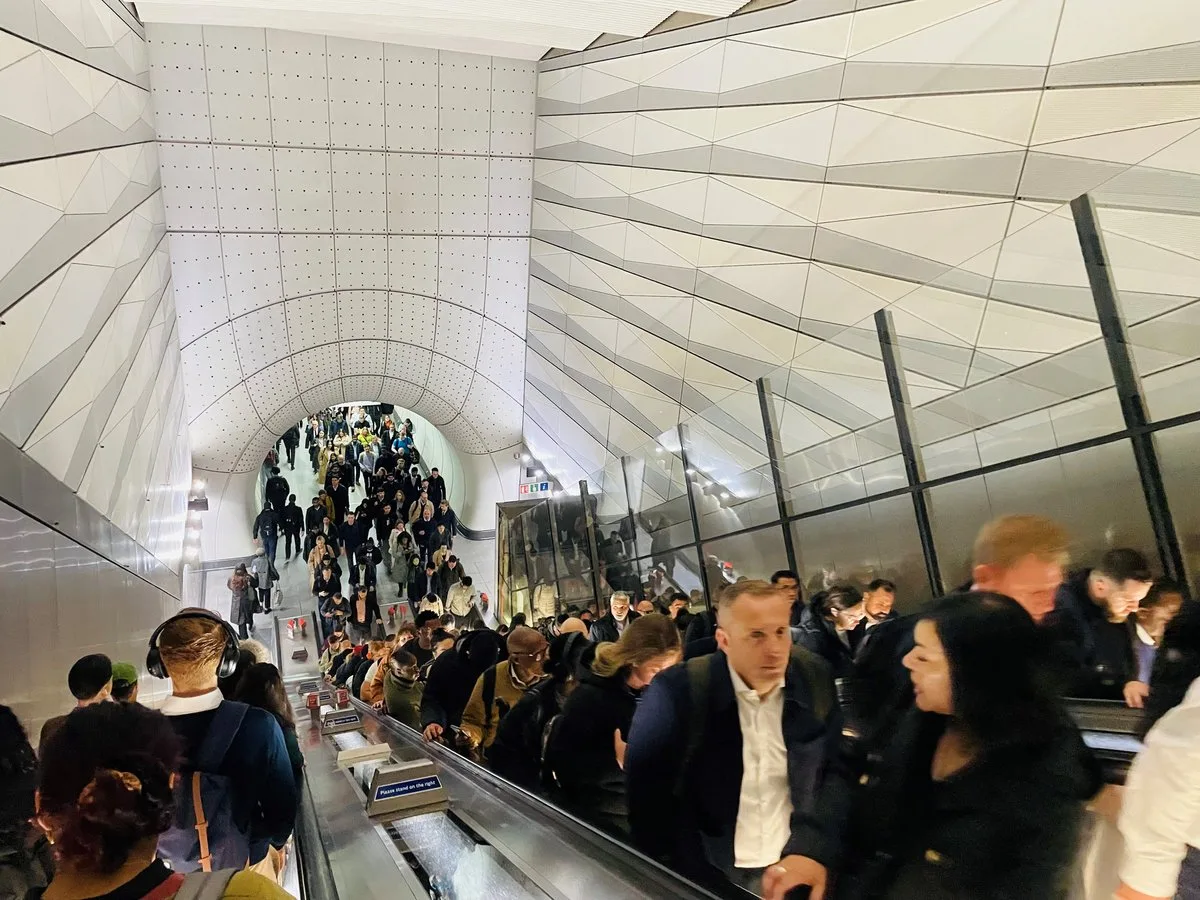
Elizabeth line train drivers have voted overwhelmingly to stage a series of strikes in February and March after rejecting a 4.5 per cent pay increase, their union Aslef announced on Thursday. The walkouts, scheduled for February 27, March 1, March 8 and March 10, threaten severe disruption on the UK's busiest rail line, which carries more than 700,000 passengers on weekdays.
The rejected offer would have raised a typical driver's salary from £72,465 to £75,726 for a 34-hour, four-day week, according to sources. Driver instructors would have seen their pay increase from £75,430 to £78,824, while driver team leaders would have received a rise from £76,090 to £79,514. Aslef said 95 per cent of voting members backed strike action, with an 88 per cent turnout.
Mick Whelan, Aslef's general secretary, accused MTR Elizabeth line, the private operator, of failing to recognise drivers' contribution to the line's success. Mike Bagshaw, managing director for MTR, expressed disappointment and warned that any strike would be disruptive, vowing to work with Transport for London (TfL) to inform passengers of alternatives. The dispute comes as MTR is set to be replaced as operator in May by a consortium led by Go-Ahead and Tokyo Metro.
This is not the first industrial action on the Elizabeth line. In January 2023, TSSA union managers brought the central section to a standstill, and RMT members at the Romford control room struck on New Year's Eve 2024 over pay. That dispute remains unresolved. Aslef has previously used the relatively high pay and conditions of Elizabeth line drivers as a bargaining tool for Tube drivers, who secured a 4.6 per cent average increase and a four-day week last November.
A TfL spokesperson urged both sides to continue negotiations to avoid impacting customers. The strikes are expected to push thousands more passengers onto the London Underground, hitting commuters and travellers to Canary Wharf and Heathrow particularly hard.




