

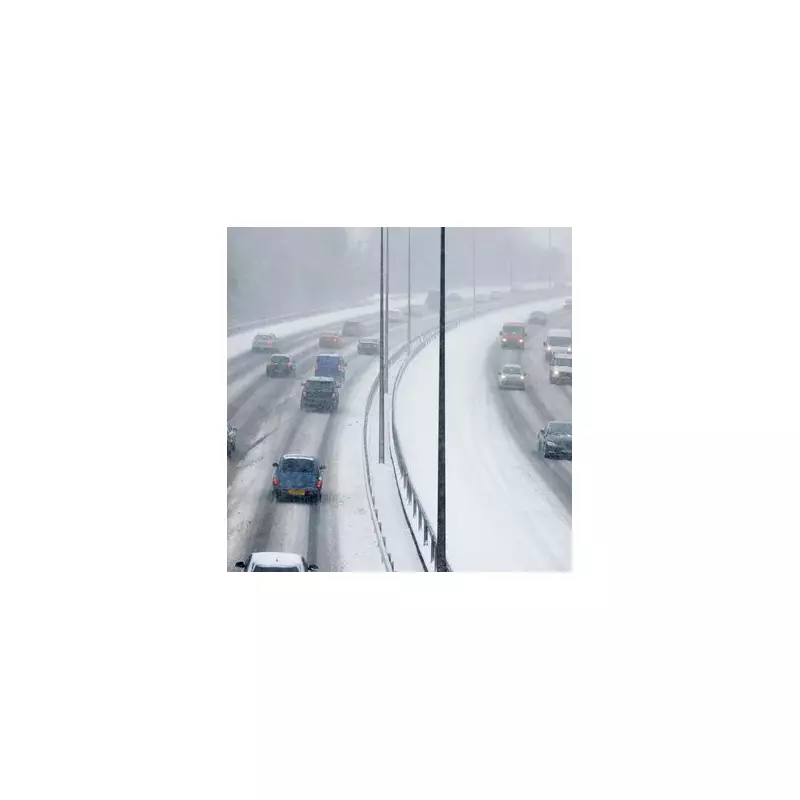
As the UK braces for further wintry blasts, including the potential return of the 'Beast from the East', a leading driving instructor has issued a critical reminder to motorists about the drastically increased safe stopping distances required on icy roads.
The 20-Second Rule for Icy Conditions
In a video that resonated with her 1.2 million TikTok followers, instructor Annie posed a vital question: "When you're driving on an icy road, how much gap should you leave between your car and the car in front of you?" She then detailed the Highway Code's graduated guidance.
Under normal, dry conditions, the Code advises maintaining a two-second gap from the vehicle ahead. This should be doubled to four seconds when the road surface is wet. However, Annie emphasised that for icy or snow-covered roads, this gap must be increased exponentially.

"When it's icy, you're going to leave a 20 second gap," she stated clearly. "That two is going to be ten times, so it's up to a 20 second gap between your car and the car in front of you when it's icy." This tenfold multiplier is a key point for both learner drivers and experienced motorists to remember.
Essential Winter Pre-Journey Checks
Annie's foremost advice was to avoid travelling altogether unless absolutely necessary. "Remember, if you don't need to go out on icy roads, then don't, it's pretty dangerous," she cautioned.
For those who must drive, she stressed the legal and safety imperative of fully clearing your vehicle. "Make sure you fully clear your windows, your lights, your mirrors, your roof, your bonnet, clear your car of snow," she instructed. Failure to do so can lead to reduced visibility, hefty fines, and serious accidents, as snow and ice can dislodge and obstruct your own windscreen or that of other road users.
Official Highway Code Winter Guidance
The Highway Code's Rule 229 provides the legal backbone for this advice, mandating that drivers must clear all snow and ice from their vehicle before setting off, ensuring windows and number plates are fully visible.
Official guidance also recommends:
- Checking local weather forecasts before travelling.
- Avoiding journeys in ice or snow unless they are essential.
- Driving with great care and sticking to main routes where possible.
- Allowing extra time for your journey to account for delays.
- Keeping a winter emergency kit in your car.
A well-prepared emergency kit should include an ice scraper and de-icer, a torch, warm clothing and boots, a first aid kit, jump leads, and a shovel. It is also wise to pack a warm drink and some emergency food in case you become stranded or your vehicle breaks down.
With more severe weather forecast, adhering to these rules and leaving a substantial 20-second gap on icy roads could be the decisive factor in preventing a collision. The core message remains: if travel is unavoidable, preparation and extreme caution are non-negotiable for winter driving safety.






