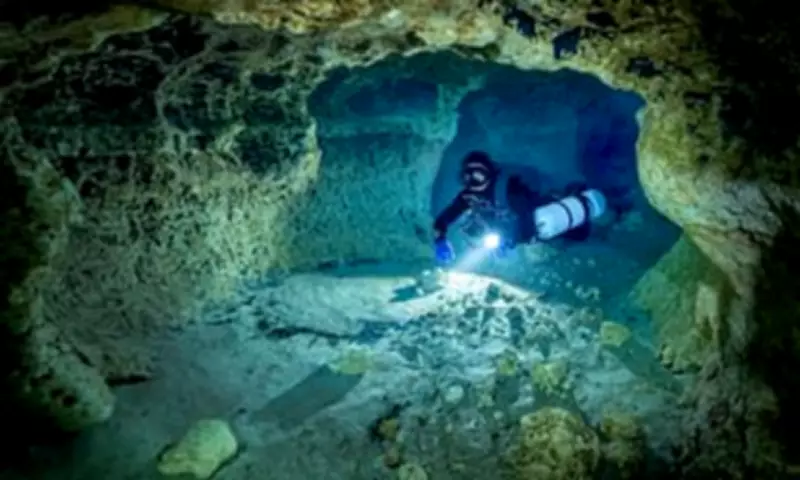
With the summer holiday season approaching, millions of Britons are planning beach days, sunny retreats, and al fresco dinners. However, alongside cultural visits and relaxation, high-octane activities are gaining popularity among holidaymakers. Whether driven by the freedom of being away from work or the thrill of new experiences, many seek adrenaline rushes while abroad. Psychologists note that humans are hard-wired to pursue extreme sports on holiday, but such activities carry risks, sometimes fatal.
Recent Tragedies Highlight Dangers
Last week, five Italian scuba divers died while exploring underwater caves in the Maldives. The group included Monica Montefalcone, 51, a marine biologist and TV personality, and her 20-year-old daughter. They set off on a diving expedition to the Vaavu atoll but never resurfaced. In another incident, three young women were found dead off Brighton beach. Coastguards suggest they may have waded out to sea and stumbled off a shingle shelf into deep water. In January, a French tourist, Alexis Vergos, 22, fell to his death at Na Muang Waterfall 2 in Thailand while reportedly taking photos.
Expert Advice on Staying Safe
Alex Andreichuk, CEO of Altezza Travel, emphasises preparation and warns against social media-inspired activities without research. He says, 'Tragedies occur when worst circumstances align. Unprepared travellers often complete the chain by underestimating environments or overestimating abilities.' He notes that reckless adventures posted online encourage others to mimic them, fostering a dangerous mindset.

Measuring Risk: Micro Morts
Insurance companies assess risk using 'micro morts,' a unit representing a one-in-a-million chance of death. One micromort equals roughly a 230-mile car ride. Rob Schumacher, co-founder of Feather, explains that risk is translated into equivalent miles driven in the UK.
Risk Rankings for Popular Activities
- Cave Diving: 23,000 micro morts. Extremely dangerous; even minor panic can cause disorientation.
- Scooter and Motorcycle Rentals: High risk. Many tourists lack valid licences or helmets, invalidating insurance. Fatal accidents are common.
- Paragliding: 3,105 micro morts. Relies on equipment; professional supervision reduces risk.
- Skydiving: 2,070 micro morts. Similar to paragliding; assess risks and speak up if uncomfortable.
- Hiking: 115 micro morts. Seemingly safe but can become dangerous; hikers have died after falling from trails.
- Scuba Diving: 1,150 micro morts. Requires expert supervision; advanced certification for cave or deep diving.
- Hot Air Ballooning: 173 micro morts. Harsh landings common; choose reputable companies with licensed pilots.
- Skiing: 173 micro morts. Avalanches and behaviour determine risk; adapt to conditions.
- Quad Biking: 13,800 micro morts. Often seen as harmless but involves unfamiliar vehicles and environments.
Insurance and Preparation
Travel experts stress checking insurance coverage for adrenaline activities. Sarah Rodrigues of Avanti Travel Insurance notes that many people are unaware their policy excludes riding without a valid licence or helmet. Bryan Olijslagers of Bryan Morgan Care reports multiple emergency repatriations due to scooter accidents, including amputations. He warns that quad bikes, dune buggies, and jet skis are often classified as extreme sports by insurers.
Ultimately, preparation and caution are key. As Alex Andreichuk concludes, 'Most holidays end with memories. Some end with a medical evacuation flight home.'