Passengers departing from Heathrow Airport can now bid farewell to the era of miniature toiletries and cumbersome plastic bags at security checkpoints. The UK's busiest airport has officially abolished the long-standing 100ml limit on liquids, gels, and pastes in hand luggage, marking a significant shift in air travel convenience.
A Technological Leap Forward
This transformative change is the result of a substantial £1 billion technological upgrade, which includes the installation of state-of-the-art computed tomography (CT) scanners across Heathrow's terminals. These advanced scanners generate detailed three-dimensional images of the contents within passengers' bags, eliminating the need for travellers to remove liquids or electronic devices during the security screening process.
Enhanced Passenger Experience
Heathrow's Chief Executive, Thomas Woldbye, emphasised the benefits for travellers, stating, "Every Heathrow passenger can now leave their liquids and laptops in their bags at security as we become the largest airport in the world to roll out the latest security scanning technology. That means less time preparing for security and more time enjoying their journey."

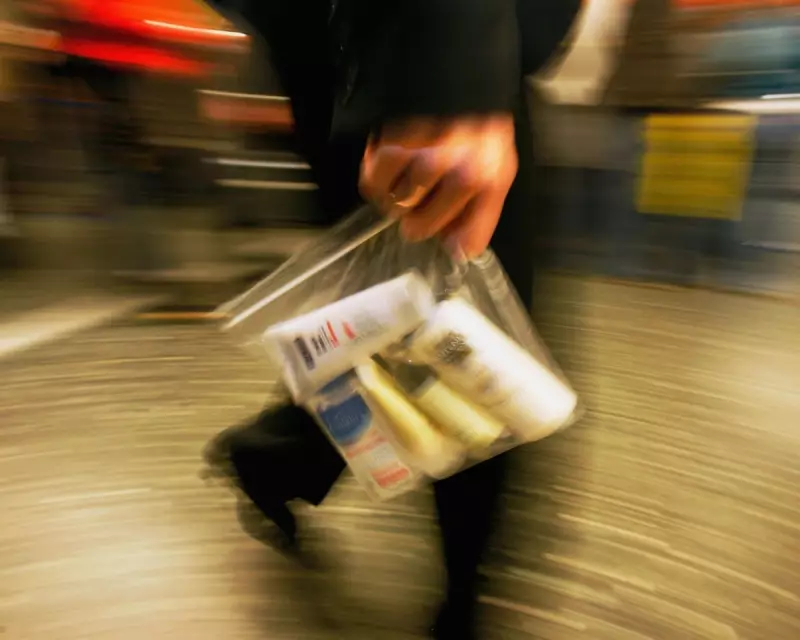
The new system permits each container in cabin baggage to hold up to two litres, a dramatic increase from the previous 100ml restriction that has been in place since 2006. This rule was originally implemented following a foiled transatlantic bomb plot, necessitating that passengers place their small toiletries in clear plastic bags and separate larger electrical items like tablets and laptops for inspection.
Environmental and Operational Benefits
Beyond improving the passenger experience, Heathrow estimates that this upgrade will lead to substantial environmental savings, reducing the use of approximately 16 million plastic bags annually. Additionally, it addresses one of the primary causes of delays at airport security, where non-compliance with liquid rules has frequently slowed down queues.
Important Caveats for Travellers
However, passengers must note that this rule change applies exclusively to flights departing from Heathrow. Those carrying larger toiletries on outbound journeys may not be able to bring them back through security at foreign airports. Travel experts strongly advise checking the specific restrictions of any airport before boarding return flights to the United Kingdom.
A Patchy Rollout Across the UK
The journey to this point has been far from straightforward. The original deadline for major UK airports to install the new scanners was December 2022, but pandemic-related disruptions pushed this back to June 2024. Even that deadline passed without universal compliance, leading to a confusing patchwork of regulations across the country.
In a notable reversal, the government previously ordered airports that had prematurely dropped the 100ml limit to reinstate it, a move mirrored by the European Union. Consequently, some British airports, including London City, Luton, and Teesside, have the new scanners but still require liquids to be in containers of up to 100ml, pending full regulatory approval of their systems.
Looking Ahead
Heathrow now joins other UK airports such as Birmingham, Bristol, Gatwick, and Edinburgh in implementing this technology. As the aviation sector continues to recover and innovate, this upgrade represents a critical step towards more efficient and passenger-friendly travel, though consistency across airports remains a work in progress.