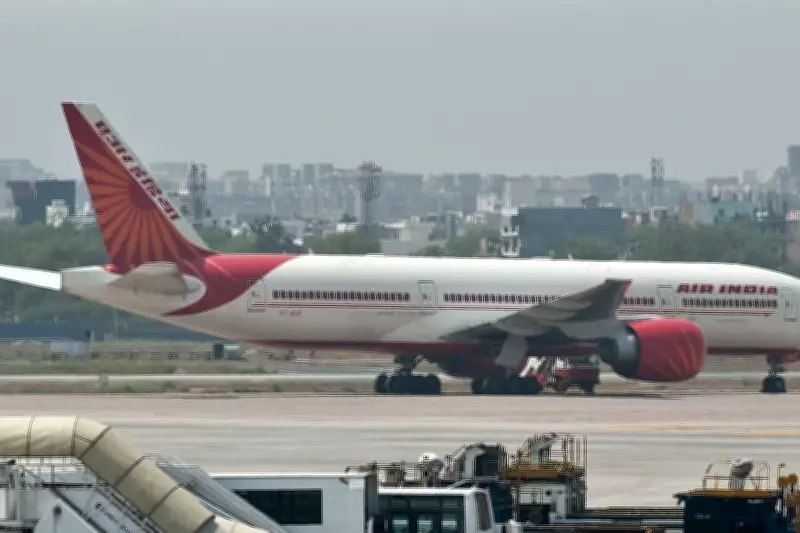
Data presented in the Indian parliament has exposed a startling reality within the nation's aviation sector, revealing that nearly half of all commercial aircraft inspected across India's airlines suffer from recurring technical defects. The findings, which have sent shockwaves through the industry, were disclosed by Civil Aviation Minister Murlidhar Mohol in the Lok Sabha, based on rigorous inspections conducted by the Directorate General of Civil Aviation since January of last year.
Air India Group Tops the List with Over 70% of Fleet Affected
The Air India Group, which includes the main flag carrier and Air India Express, emerged as the most concerning case in the report. Out of 267 aircraft inspected, a staggering 191 were flagged for repetitive technical issues, representing over 70% of its fleet. This high proportion has raised significant questions about maintenance protocols and operational standards within the group, especially given its status as a key player in India's aviation landscape.
Officials Downplay Safety Concerns, Citing Lower-Priority Defects
In response to the alarming figures, an Air India official sought to reassure the public by stating that most of the identified defects were classified as lower-priority Category D items. These include non-critical components such as seats and in-flight entertainment screens, which are not directly linked to flight safety. The official emphasized that these issues do not compromise the fundamental airworthiness of the aircraft, aiming to mitigate fears among passengers and stakeholders.

Increased Scrutiny Follows High-Profile Aviation Incidents
The disclosure comes at a time of heightened scrutiny in India's aviation sector, which has been marred by recent high-profile safety and operational incidents. This period of increased attention has put pressure on airlines and regulatory bodies to enhance transparency and accountability. The parliamentary report serves as a critical tool for assessing the state of aircraft maintenance and identifying areas for urgent improvement to prevent potential risks.
As the aviation industry grapples with these findings, stakeholders are calling for more robust inspection regimes and stricter enforcement of maintenance standards. The report underscores the need for continuous monitoring and proactive measures to ensure that recurring defects are addressed promptly, safeguarding both passenger safety and the reputation of India's airlines in the competitive global market.