

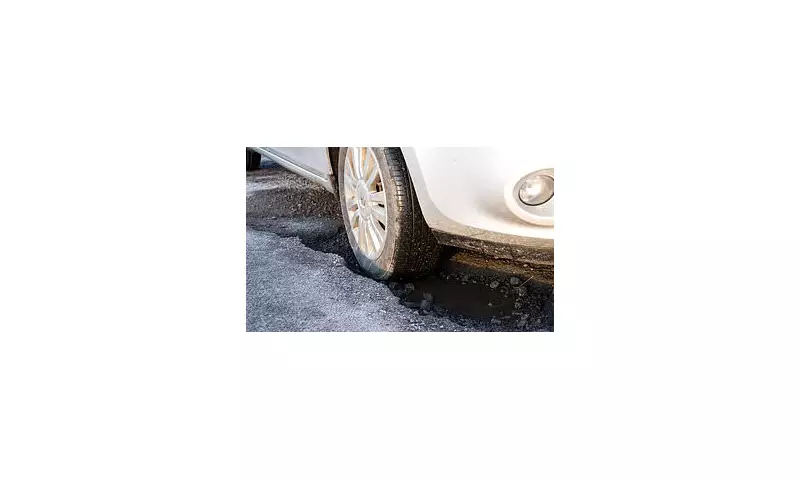
Motoring campaigners are demanding a radical new standard for fixing Britain's crumbling roads, calling for a mandatory five-year guarantee on all non-emergency pothole repairs.
The Scale of the Pothole Crisis
The push comes as the AA, a key member of the newly formed Pothole Partnership, revealed it was called to a staggering 613,638 road damage-related incidents in the last year. This equates to an average of 1,681 call-outs every single day, a figure that underscores the pervasive nature of the problem. While this marked a 5% decrease from 2024, the overall toll on vehicles and drivers remains immense.
Common and costly vehicle failures triggered by poor road surfaces include damaged shock absorbers, broken suspension springs, and distorted wheels. The AA stated that the average repair bill for such damage stands at £350. Extrapolating from their data, the total cost to UK drivers from pothole encounters in 2025 could have reached a colossal £645 million, a sharp increase of £66 million from estimates for the previous year.

A Proposed 'Game-Changer' for Road Repairs
The central proposal from the Pothole Partnership, unveiled to mark National Pothole Day, is for contractors to be required to offer a five-year warranty on each non-emergency pothole they fill. This would mean if the pothole reappears within that period, the contractor must rectify it at no extra cost.
AA president Edmund King hailed the idea as a potential "game-changer." He argued, "It shifts the focus from short-term patches to long-lasting repairs and ensures accountability from those carrying out the work." The campaigners believe this financial accountability would drive up the quality of materials and workmanship used in repairs.
Funding Shortfalls and Inconsistent Measures
The campaign faces significant hurdles, not least the vast funding gap for road maintenance. A spokesman for the Local Government Association highlighted that councils are contending with a £17 billion backlog of road repairs. He stressed that "only longer-term funding certainty will help councils more effectively plan for future maintenance schemes, focusing more on preventative measures."
Further complicating the issue is a lack of uniformity in how the problem is even measured. Freedom of Information requests by the Pothole Partnership uncovered that councils across the UK use a bewildering 78 different methods to assess and record pothole repairs, making national comparisons and strategy difficult.
The government has committed some funds, pledging £7.3 billion for local road maintenance over a four-year period in November's Budget. However, campaigners and local authorities agree that a more fundamental shift in how repairs are guaranteed and funded is needed to finally cure the UK's pothole plague.






