Electric vehicle drivers will no longer need planning permission to have cross-pavement chargers installed under newly revised regulations, a change that could save them up to £300.
Government slashes red tape
The government has said it is 'slashing red tape' around the installation process, with the system enabling drivers who lack off-street parking to access cheaper domestic electricity rates, which can often be a fraction of the cost of using a public charger.
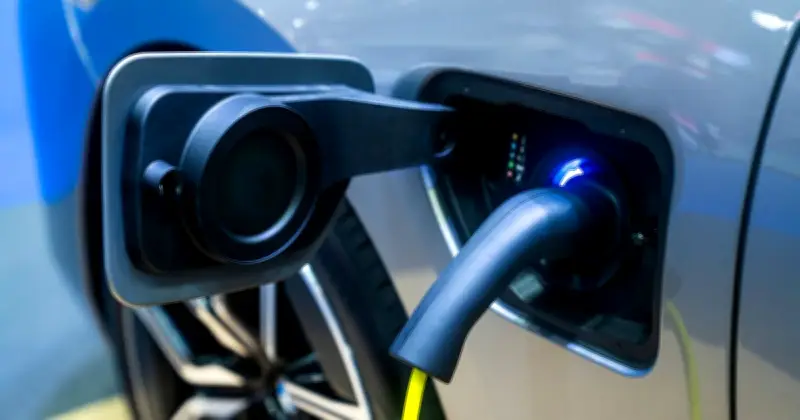
Cross-pavement chargers involve a 'gulley' being fitted, allowing drivers to charge their vehicles safely without creating a trip hazard for pedestrians. Those wishing to have one installed will still require authorisation from their local council.
Minister highlights savings
Simon Lightwood, Buses and Local Transport Minister, said: "We're saving drivers up to £300 off the cost of installing home charging by cutting unnecessary red tape."
He added: "The EV transition is in full swing – sales are up 36% on last year and over 190,000 have saved thousands making the switch in the last year alone."
Consultations and future plans
Two new consultations have also been launched to simplify home charging while ensuring new-build properties come equipped with charge points.
The government additionally confirmed it is weighing up mandatory requirements for landlords and freeholders, which would make it considerably more difficult for them to reject applications from tenants seeking to have a charge point installed.
RAC welcomes the move
Simon Williams, RAC head of policy, said: "Slashing red tape and making it cheaper and easier to install cross-pavement chargers or EV gullies for EV owners that don't have a driveway is a much-needed step in the right direction to make charging fairer and accessible for all."
He noted that "charging at home is significantly cheaper than using public charging points, which remain subject to 20% VAT unlike home rates which are currently benefiting from zero tax rates."