In the 1890s, Western cities faced a mounting crisis from horse-drawn vehicles. London had 300,000 working horses, New York City over 150,000, each producing 10kg of manure and a litre of urine daily. Streets became cesspools of filth, with manure piled so high in some places that vehicles could barely pass.
The health impacts were severe. New York's board of health found higher infectious disease rates near stables, and an estimated 20,000 New Yorkers died annually from dust-borne maladies. Dead horses often rotted on streets for days before removal—15,000 were cleared from New York each year by the 1880s.
Paradoxically, steam railways worsened the problem by increasing demand for horse-drawn urban transport. Congestion became so bad that Broadway was 'almost impassable' at times, while the clatter of metal horseshoes and iron wheels forced hospitals to lay straw to muffle noise.
An 1872 equine influenza outbreak in North America brought home society's dependence on horses. The New York Times noted the 'disappearance of trucks, drays, express-wagons' from streets, while the Nation warned that losing horse labour would 'totally disorganize our industry and commerce'.
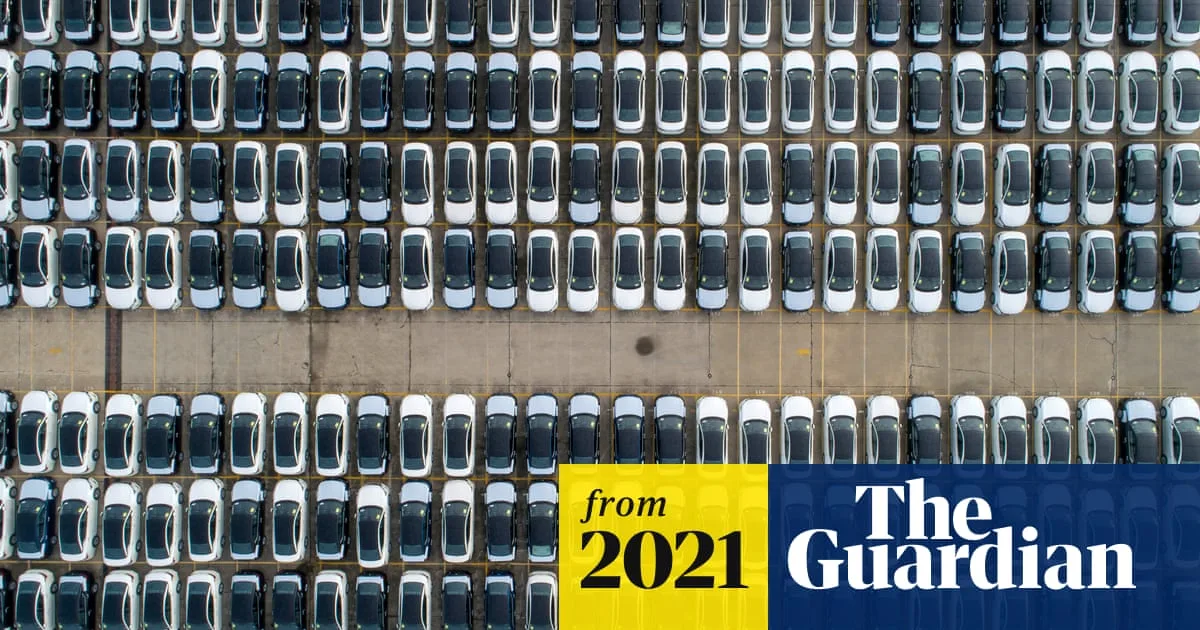
This historical reliance on horses, with its pollution, congestion, and health crises, mirrors today's challenges with fossil-fuel vehicles. The electric car's lost history reminds us that transport revolutions often arise from necessity—and that the same problems of pollution, congestion, and dependency keep recurring.