
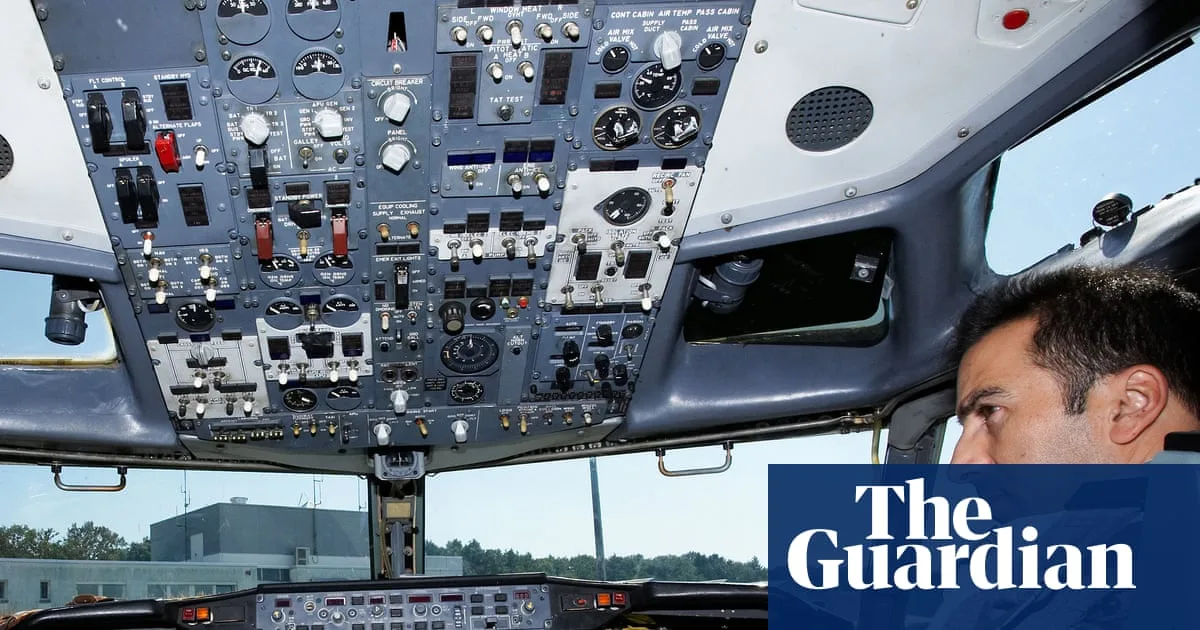
Pilots and cabin crew at European airlines feel increasingly pressured to work long hours and hide signs of tiredness at the expense of safety, according to a major study by Ghent University in Belgium. The research, involving 6,900 workers, found that cost cutting and profit chasing have “systematically weakened” safety, with many exhausted employees too intimidated to challenge management decisions.
The study highlighted concerns among cabin crew who reported being pushed into making onboard sales of perfumes and alcohol, creating a conflict with their safety duties. More than half of respondents said they did not feel able to “modify instructions” from management based on safety objections, a deterioration from 2014 when 82% of pilots felt able to do so.
Fatigue remains a persistent problem, with nearly one in three pilots and almost half of cabin crew admitting they sometimes hesitate to declare themselves unfit to fly. The report found that 42% of all crew believe management prioritises scheduling over safety, and 68% fell below the positive threshold for mental health, while 78% considered themselves “dehumanised”.
The pandemic accelerated a decline in working conditions, with senior pilots replaced by younger, cheaper workers on precarious contracts. Atypical employment, such as short-term or self-employed contracts, was more common among younger staff and those in eastern Europe, with 52% of eastern Europeans on atypical contracts. The authors warned of a “Swiss cheese model” where safety layers are weakened for financial gain, leaving accidents dependent on chance.




