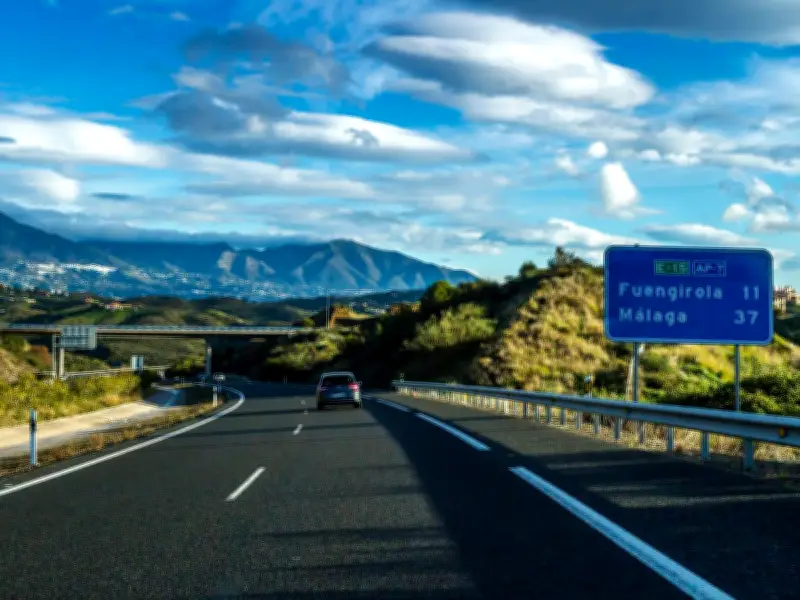
British holidaymakers planning to drive abroad this summer are being warned that small mistakes behind the wheel could leave them facing hefty fines, unexpected charges or even legal trouble. From using the wrong toll lane to falling foul of local parking rules or forgetting compulsory safety equipment, a motoring expert said drivers should check the rules for every country they pass through – not just their final destination.
Local Laws Differ Dramatically Across Europe
Many families will be driving across Europe or hiring a car while on holiday, but local laws, customs and driving etiquette can differ dramatically from those in the UK. Some misunderstandings can prove surprisingly expensive, according to Matas Buzelis, European motoring expert at carVertical. In Portugal, drivers who accidentally use certain electronic toll lanes without the correct device can face administration charges and fines. In Belgium, alternate-side parking rules can catch out tourists, while in Germany, offensive gestures towards other drivers can potentially become a legal matter.
Check Insurance, Breakdown Cover, and Clean Air Zones
Drivers are also being urged to check their insurance, breakdown cover, clean air zone requirements and hire car agreements before travelling, as not all policies provide the same protection overseas. Buzelis said: “Driving abroad can be a great way to make the most of a summer holiday and gives you the freedom to go off the beaten track. However, drivers should not assume the rules, road signs and local habits will work in the same way as they do at home.”
Simple Misunderstandings Cause Big Problems
He said many of the biggest problems arise from simple misunderstandings rather than dangerous driving. “Some of the biggest problems are caused by small misunderstandings. Broadly speaking, Northern European countries tend to treat road language as more functional and restrained, while drivers in Southern and Balkan countries are often far more expressive, using lights, horns and gestures as part of everyday interaction. That can be confusing for tourists. A quick flash of the headlights might mean ‘after you’ in one country, a warning about police or a hazard in another, or a much less friendly instruction to move over on a motorway.”
Don't Copy Local Drivers
Buzelis also warned drivers not to copy what locals appear to be doing. “Parking is another area where holidaymakers can easily get caught out. Belgium has streets with alternate-side parking, where the side of the road drivers can legally park on changes depending on the date. In other countries, local drivers may briefly stop with hazard lights on or double park for a quick errand, but tourists should not assume copying that behaviour will protect them from a fine.”
Prepare Before Setting Off
“Before setting off on your travels this summer, check the rules for every country you will pass through, not just the final destination. That includes tolls, clean air zones, parking restrictions, compulsory safety equipment, insurance, breakdown cover and hire car small print. Holidaymakers hiring a car should take photos and videos before leaving the rental desk, check the fuel policy, excess, deposit, mileage limits and border rules, and make sure any existing damage is recorded. A few minutes spent checking the rules and the paperwork can save a lot of money and stress later.”
Key Advice for UK Drivers Abroad
- Check the rules for every country on the route – Drivers should not only check the rules for their final destination. If they are passing through several countries, they should look up the requirements for each one, including speed limits, tolls, low-emission zones and compulsory safety equipment.
- Make sure the car is ready for a long journey – Before leaving the UK, drivers should check tyres, oil, coolant, brake fluid, lights, wipers and screenwash. Any warning lights, strange noises or slow punctures should be investigated before the trip.
- Check tyre pressure when the car is fully loaded – A car packed with passengers, luggage, bikes or roof boxes may need different tyre pressures. Drivers should check the manufacturer’s guidance, as underinflated tyres can affect handling, fuel consumption and braking.
- Check insurance and breakdown cover – Drivers should check whether their insurance covers them abroad and what level of protection is included. They should also make sure their breakdown cover applies in every country they plan to visit.
- Keep key documents close to hand – Motorists taking their own car abroad may need their driving licence, proof of insurance, vehicle registration documents and other paperwork. Anyone driving a hired or leased vehicle should check whether extra documentation is required.
- Research toll roads and clean air zones – Many European countries have toll roads, vignettes, low-emission zones or city access restrictions. Some need to be paid or registered in advance, so it is worth checking before travelling.
- Do not rely only on mobile signals – Drivers should download maps, save hotel addresses and keep important phone numbers somewhere easy to access. Roaming problems, poor signal or a flat battery can make a simple journey much harder.
- Take care at petrol stations – Fuel names and pump colours can vary between countries, so drivers should double-check before filling up. This is especially important when using a hire car for the first time.