Why Bike Commuting Is on the Rise in the UK
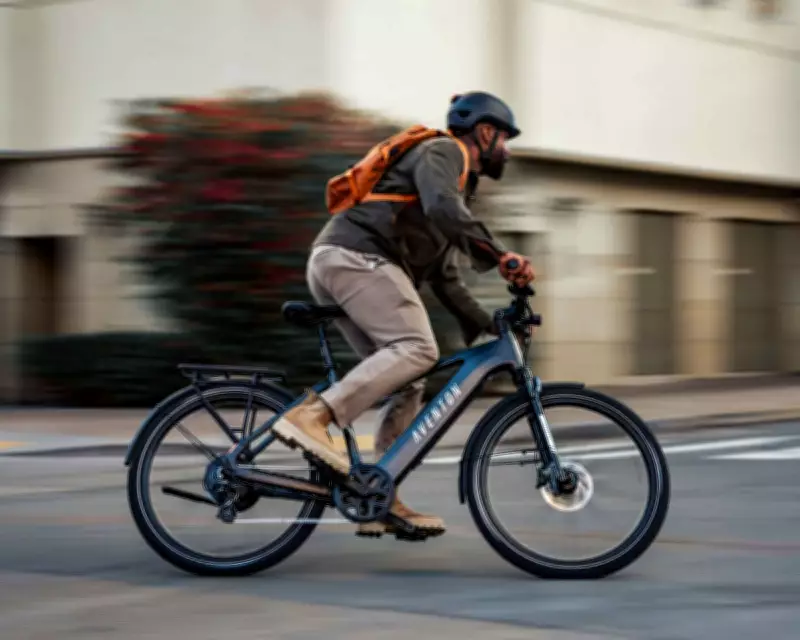
Bike commuting has seen a significant surge across the United Kingdom, driven by a combination of environmental awareness, health benefits, and rising transport costs. More people are swapping cars and public transport for two wheels, but making the switch requires careful preparation. This guide offers practical advice for both new and experienced cyclists to ensure a safe and enjoyable commute.
Planning Your Route
One of the most critical steps in bike commuting is choosing the right route. While the fastest path might seem appealing, safety and comfort should take priority. Use dedicated cycle paths and quiet residential streets whenever possible. Apps like CycleStreets or Google Maps with cycling mode can help identify bike-friendly routes. Avoid busy arterial roads during peak hours, and always consider the terrain: hills can be challenging, especially if you are new to cycling or carrying heavy loads.
Essential Gear for Commuters
Investing in the right equipment can make a world of difference. A reliable bike suited to your commute is paramount—think hybrid or city bikes for paved roads, or a mountain bike if your route includes rough terrain. Essential gear includes:

- Helmet: A properly fitted helmet is non-negotiable for safety.
- Lights: Front and rear lights are legally required in the UK after dark and improve visibility in all conditions.
- Lock: A sturdy D-lock or chain lock to secure your bike.
- Reflective clothing: High-visibility vests or bands help drivers see you, especially in low light.
- Panniers or backpack: Waterproof bags to carry your work essentials and a change of clothes.
- Repair kit: A spare inner tube, tyre levers, and a pump for minor punctures.
Safety Tips for the Road
Cycling in traffic can be daunting, but following basic safety rules reduces risk. Always obey traffic signals and signs, and use hand signals to indicate turns. Position yourself clearly in the lane—avoid weaving between parked cars or riding too close to the kerb. Make eye contact with drivers at junctions to ensure they have seen you. Consider taking a free cycle training course offered by many local councils to build confidence and skills.
Staying Comfortable and Dry
British weather is unpredictable, so preparation is key. Waterproof jacket and trousers, along with mudguards (fenders), will keep you dry on wet days. In summer, lightweight and breathable clothing helps prevent overheating. If your commute is long, consider a change of clothes stored at work. A towel and basic toiletries can also be a lifesaver for freshening up upon arrival.
Maintaining Your Bike
Regular maintenance ensures your bike remains safe and efficient. Check tyre pressure weekly, clean and lubricate the chain, and inspect brakes and gears before each ride. A well-maintained bike is less likely to break down, saving you time and frustration. For more complex issues, a yearly service at a local bike shop is recommended.
Joining the Cycling Community
Bike commuting is not just about getting from A to B; it is about being part of a growing movement. Many cities have cycling forums, group rides, and events that can provide support and camaraderie. Sharing tips with fellow commuters can also help you discover new routes and tricks. Whether you are cycling for health, environment, or convenience, the benefits are immense.