

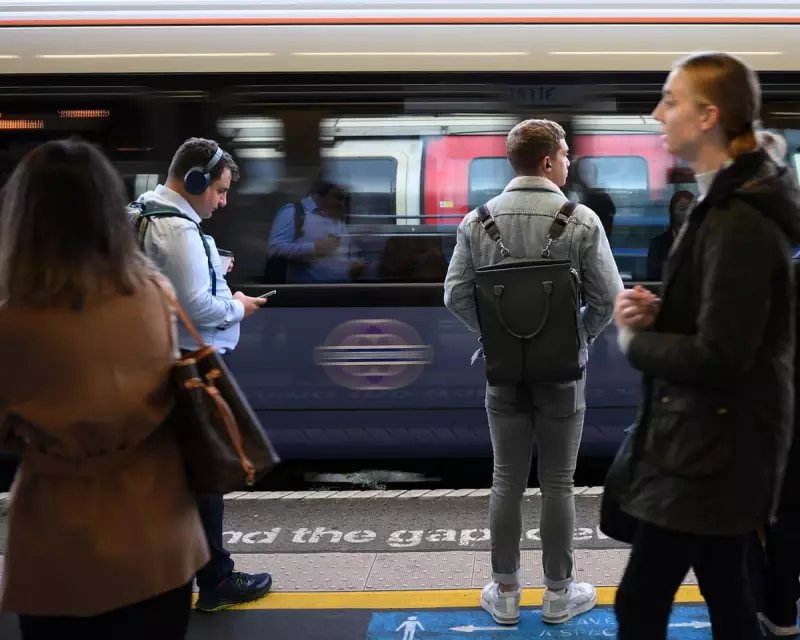
The UK government is considering a transformative rail expansion that could see the Elizabeth Line stretch beyond London, connecting major cities like Birmingham, Manchester, and Leeds. This ambitious project aims to boost regional economies and reduce travel times, but financial concerns from the Treasury threaten to derail progress.
A Bold Vision for National Connectivity
Originally designed as a London-centric project, the Elizabeth Line has exceeded expectations since its 2022 opening. Now, transport experts argue that extending this high-capacity railway could address chronic underinvestment in northern infrastructure while easing congestion on existing routes.
The Northern Powerhouse Rail Question
Proponents highlight how an extended Elizabeth Line could complement - or potentially replace - elements of the stalled Northern Powerhouse Rail initiative. The proposed expansion would create:

- Direct connections between three of England's largest metropolitan areas
- Faster journey times than current intercity services
- Increased capacity for both passengers and freight
Treasury Roadblocks Ahead
Despite the project's potential benefits, Treasury officials remain sceptical about the estimated £30-40 billion price tag. With public finances stretched thin after pandemic spending, ministers face tough choices about infrastructure priorities.
Transport Secretary Mark Harper recently told Parliament: "While we recognise the strategic value of improved northern connectivity, all projects must demonstrate clear value for taxpayers' money."
Business Leaders Voice Support
The CBI and numerous regional chambers of commerce have thrown their weight behind the proposal. Manchester-based tech entrepreneur Sarah Wilkinson noted: "This isn't just about transport - it's about creating a single economic zone that can compete with global megacities."
As the debate continues, all eyes remain on the upcoming Autumn Statement, where Chancellor Rachel Reeves may reveal whether this visionary rail project stays on track or gets shunted into the sidings of Whitehall indecision.






