EasyJet Airbus A320 Diverts to Manchester Following Multiple Mechanical Failures
EasyJet Flight Makes Emergency Landing in Manchester After Faults

EasyJet Flight Forced into Emergency Landing at Manchester Following Technical Failures

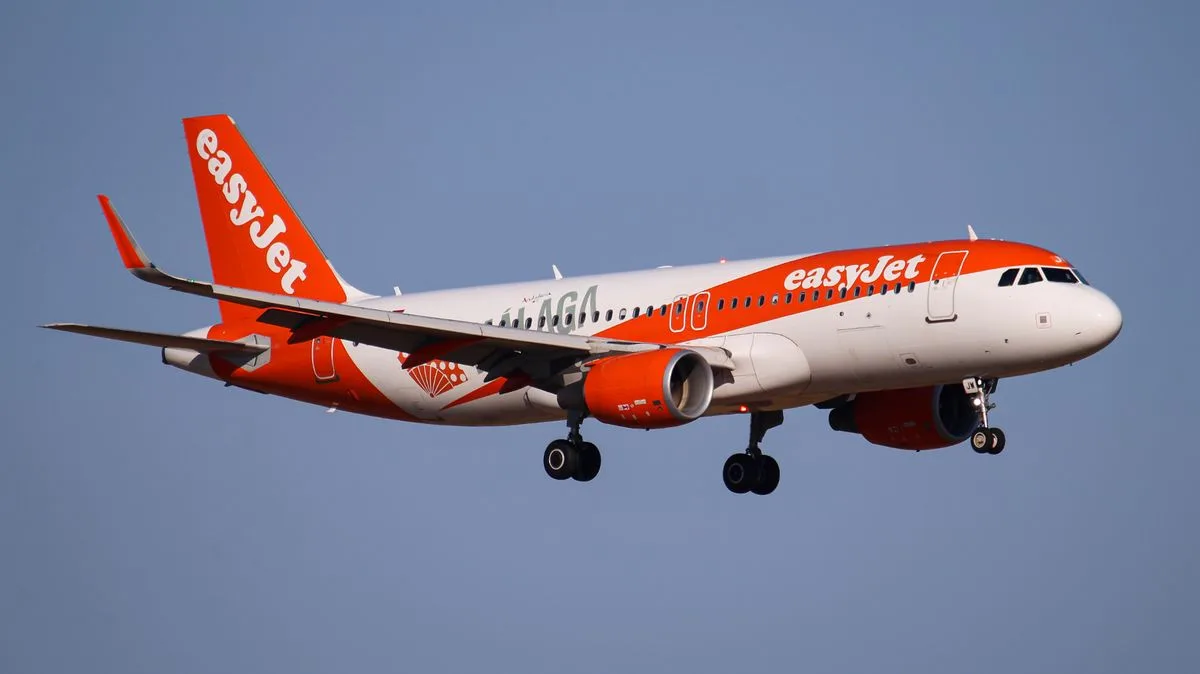
An EasyJet Airbus A320 passenger aircraft was compelled to execute an emergency landing at Manchester Airport after suffering a series of serious mechanical and electrical faults during a flight to Paris. The incident, which occurred on February 7, 2026, has raised questions about aircraft maintenance and system redundancy.

Cascade of Technical Issues Forces Diversion

The aircraft, registered as G-EZWK, was operating as flight U23241 from Edinburgh to Paris Charles de Gaulle when the crew declared a general emergency, squawking code 7700, approximately one hour after takeoff. According to aviation monitoring sources, the plane experienced what was described as a "cascade of mechanical faults," including pneumatic failures associated with both engines and an issue with the high-pressure valve on engine one.

Additional reported problems included a tripped overhead panel and a right wing leak in the right electrical bay. Data from Flightradar24 indicated the aircraft circled south of Manchester before proceeding north to land at the city's airport at 8:23 AM.

Previous Day's Troubles Preceded Emergency

Remarkably, the same 12-year-old Airbus A320 had encountered similar complex pneumatic and electrical failures just the day before, on February 6, while approaching Edinburgh Airport. Despite an extensive list of reported "no-go" items typically associated with such faults, the aircraft was cleared for service and departed for Paris the following morning.

Passengers aboard the ill-fated flight reported a tense atmosphere as pilots navigated what appeared to be a recurrence of the previous day's mechanical instability. The aircraft landed safely in Manchester, where all passengers were transferred to a replacement plane to continue their journey to Paris.

Maintenance Intervals Under Scrutiny

The simultaneous failure of redundant systems, specifically the bleed air and high-pressure valves, has prompted scrutiny regarding maintenance intervals for aircraft of this age. While the Airbus A320 is considered middle-aged with a typical service life of 20-25 years, the consecutive technical failures have drawn attention to maintenance protocols.

The G-EZWK plane remains in Manchester undergoing what engineering teams have described as a "deep-dive" inspection to determine the root cause of the multiple system failures.

Airline Statement Emphasizes Safety Priority

In an official statement, EasyJet confirmed the diversion was due to a technical issue, stating: "The pilot performed a routine landing in Manchester and all passengers were transferred to a replacement aircraft and crew and continued onto their final destination, Paris CDG. The safety of our customers and crew is easyJet's highest priority and easyJet operates its fleet of aircraft in strict compliance with all manufacturers’ guidelines."

The incident highlights the critical importance of rigorous maintenance checks and system redundancy in commercial aviation, particularly as aircraft approach the midpoint of their operational lifespans.