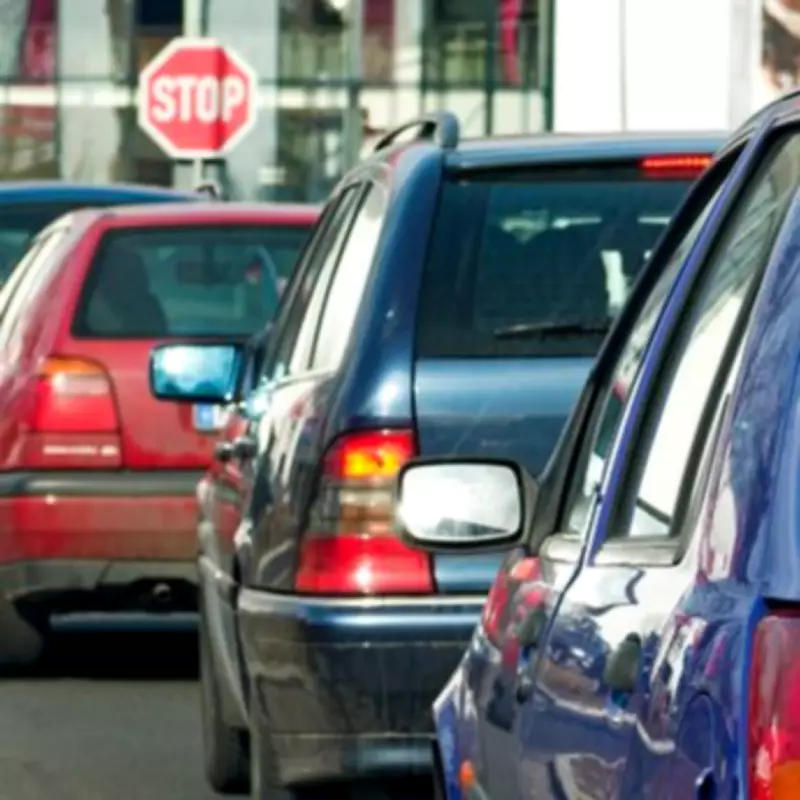
Tailgating remains a pervasive and hazardous issue on roads across the country, contributing significantly to traffic accidents that can lead to severe injuries or even fatalities. Driving instructor Annie Winterburn, who operates Spot On Driving, has shared a straightforward yet effective technique to manage this dangerous behaviour without resorting to sudden braking.
The Dangers of Tailgating
Whether you are an experienced motorist or a novice driver, having another vehicle glued to your rear bumper is not merely an irritation; it poses a genuine threat to safety. By eliminating the crucial stopping distance required in emergencies, tailgating dramatically increases the risk of rear-end collisions. Research indicates that this behaviour is responsible for approximately one in eight collisions on England's motorways and major A roads, highlighting its prevalence and severity.
Avoiding Sudden Braking
Annie Winterburn emphasises that many drivers are uncertain about how to respond when faced with a tailgater. Slamming on the brakes in frustration or panic could precipitate a crash, as the following vehicle may not have sufficient time to react. Instead, she advocates for a proactive approach to de-escalate the situation safely.

The Recommended Technique
To handle tailgaters effectively, Annie suggests increasing the distance between your car and the vehicle in front of you. This strategy allows you to slow down gradually if the lead car stops abruptly, providing the tailgating driver with additional time to brake safely. By maintaining a larger gap, you reduce the likelihood of needing to execute sudden stops, thereby mitigating the risk of a collision from behind.
Understanding Safe Following Distances
This guidance is not merely anecdotal; it is reinforced by official road safety standards. The Highway Code recommends that drivers maintain a minimum two-second gap from the vehicle ahead on dry roads. This interval should be doubled to four seconds on wet surfaces and extended to twenty seconds—ten times the dry road gap—in icy conditions. Government advice further specifies that as speeds increase, so should the following distance: approximately 53 metres at 50mph and 96 metres at 70mph.
Legal and Campaign Context
The Driver and Vehicle Licensing Agency (DVLA) underscores that tailgating constitutes 'driving without due care and attention,' an offence that can result in a £100 fine and three penalty points on a licence. In more serious cases, drivers may face court proceedings and heftier penalties. In response to the alarming statistics, National Highways launched a campaign in 2022 to combat tailgating on major roads.
Expert Endorsement
Jason Wakeford, campaign chief at the road safety charity Brake, stresses the critical importance of adhering to safe following distances. He asserts, "It is vital that drivers leave enough space between the vehicle in front to react promptly to any sudden dangers. We urge everyone to respect the two-second rule to ensure their safety and that of others on the road."
By adopting Annie Winterburn's advised technique and heeding official guidelines, motorists can contribute to reducing tailgating-related accidents and fostering a safer driving environment for all.