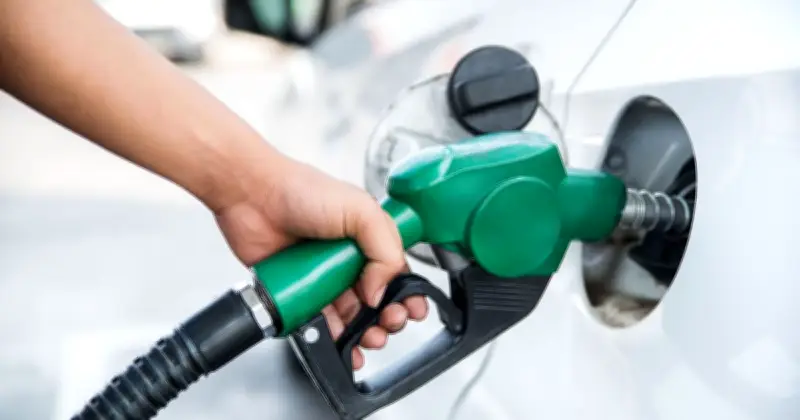
Drivers of petrol and diesel vehicles are being urged to fill up their tanks before Wednesday, June 24, as a severe heatwave is set to push temperatures to 40°C in London and exceed 35-38°C across most of England and Wales, according to the Met Office. The forecaster has issued amber and red weather warnings covering much of the UK from today through Thursday.
The hot conditions pose an unexpected risk to fuel tanks, as fuel runs down more quickly than normal due to driver behaviour and engine mechanics. With petrol prices averaging 154.72p per litre and diesel at 174.30p, according to the RAC, drivers will want to avoid burning fuel unnecessarily.
Why Hot Weather Reduces Fuel Economy
The US Department of Energy explains that while hot weather can initially improve fuel economy by helping the engine warm up faster and reducing aerodynamic drag, the use of air conditioning (A/C) to stay comfortable significantly reduces fuel economy. Under very hot conditions, A/C use can reduce a conventional vehicle's fuel economy by more than 25%, especially on short trips. The effect is even larger for hybrids, plug-in hybrids, and electric vehicles on a percentage basis.
Additionally, drivers tend to open windows more often in hot weather, which also increases aerodynamic drag and reduces fuel efficiency. These behaviours mean that your fuel gauge may become inaccurate, giving a false sense of how much petrol or diesel you have left.
Risk of Getting Stranded
Experts at PassMeFast.co.uk warn that warm weather causes fuel levels to drop much quicker than usual, so drivers cannot rely on normal estimates of how much time remains before needing to refill. They advise heading to the petrol station in good time to avoid getting stuck in the middle of nowhere or in a traffic jam on a hot day. “Playing it close to the line is just not worth it if the sun’s out,” they said.
RAC spokesperson Rod Dennis dismissed the myth that filling up a car during hot conditions could cause it to explode. “All fuel systems on passenger vehicles are designed to cope with any expansion of fuel, or vapour coming from the fuel. There is no risk of explosion from filling up a fuel tank fully and drivers should have no concerns in doing so.”
Optimal Temperature for Fuel Economy
According to Fuel Finder UK, the ‘sweet spot’ for fuel economy is between 15°C and 20°C. At -5°C, efficiency drops by around 10% compared to 20°C, and for short trips under four miles, that penalty can reach 20% or more. However, once temperatures hit 32°C, engine efficiency is reduced and there is a risk of overheating. Thus, while 20°C offers better fuel economy than cold weather, the gains are lost as temperatures rise further.
Drivers are advised to fill up before Wednesday to avoid the combined effects of higher fuel consumption and potential traffic disruptions during the heatwave.