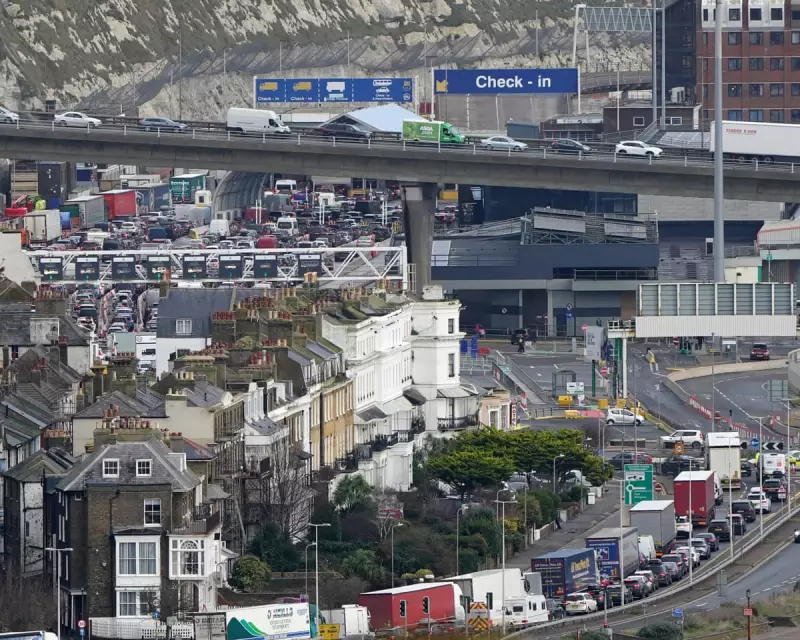
Thousands of Christmas travellers have been plunged into chaos at the Port of Dover after a critical IT failure on the French side of the border caused severe delays and long queues.
Border System Collapse Sparks Holiday Gridlock
The disruption began on Friday, 20th December, when the French border police's passport control system, known as PARAFE, experienced a major collapse. This system is used for processing both French and other EU citizens' passports, and its failure meant manual checks had to be implemented for all vehicles.
As a result, waiting times for coaches and cars stretched to several hours, with some reports indicating queues of up to five hours at their peak. The Port of Dover confirmed the delays were a direct consequence of the French border IT issue, which significantly slowed down processing times.

Travel Companies Scramble as Passengers Face Long Waits
Major ferry operators were forced to alert passengers to the significant hold-ups. P&O Ferries advised travellers to allow extra time for their journeys, citing the technical problems with French border controls. DFDS also reported extended processing times due to the manual checks.
The impact was felt acutely by coach travel companies. National Express confirmed that several of its services to Europe were delayed, with some passengers facing waits of over four hours. A spokesperson for the company expressed frustration, stating they were "working closely with the authorities at the Port of Dover to get customers on their way as quickly as possible."
While the Eurotunnel service at Folkestone was operating, it also experienced higher-than-usual traffic volumes as some travellers sought alternative routes to France.
A Festive Travel Headache with Wider Implications
The timing of the failure could not have been worse, striking on one of the busiest travel weekends before Christmas. The incident highlights the ongoing vulnerabilities in cross-Channel travel infrastructure and the heavy reliance on digital border systems.
Local MP for Dover, Natalie Elphicke, described the situation as "another totally unacceptable situation at the border." She called for urgent action from the French authorities to resolve the issue and for better resilience to be built into border systems to prevent future collapses.
By late Friday, there were indications that the IT system was being gradually restored, but authorities warned that it would take considerable time to clear the extensive backlog of vehicles that had built up. Passengers were urged to continue checking with their ferry or coach operator for the latest information before travelling.
This latest disruption serves as a stark reminder of the fragility of international travel tech and casts a shadow over the festive plans of many families and individuals hoping for a smooth start to their holidays.