Classic Cars Face Scrappage as £760 'Tax Trap' Approaches
Thousands of classic and family cars across Britain are being consigned to the scrapheap as motorists face punishing vehicle tax increases set to take effect in April 2026. According to recent reports, owners of older vehicles are choosing to dispose of their cars rather than pay annual Vehicle Excise Duty (VED) charges that could reach £760 or more.
The Rising Cost of Vehicle Taxation
The Telegraph has revealed that many desirable cars from two decades ago are now becoming virtually worthless due to escalating tax burdens. From April 2026, vehicles emitting between 226-255g of CO2 per kilometre will see their annual VED rise from £735 to £760, while those producing over 255g/km will face an increase from £750 to £790.
These changes affect not just luxury vehicles but ordinary family cars including Ford Mondeos, Saabs, Volkswagen Golfs and Vauxhall Zafiras. For many owners, the annual tax bill now rivals or exceeds the actual value of their vehicles, making continued ownership economically unviable.
Popular Models Caught in the Tax Trap
The VED increases are hitting a surprising range of vehicles that were once popular family choices. According to analysis, ten particularly affected models include:
- Saab 900 Convertible - £735 annual tax
- Land Rover Freelander 2 i6 - £760 annual tax
- Audi TT 1.8T - £735 annual tax
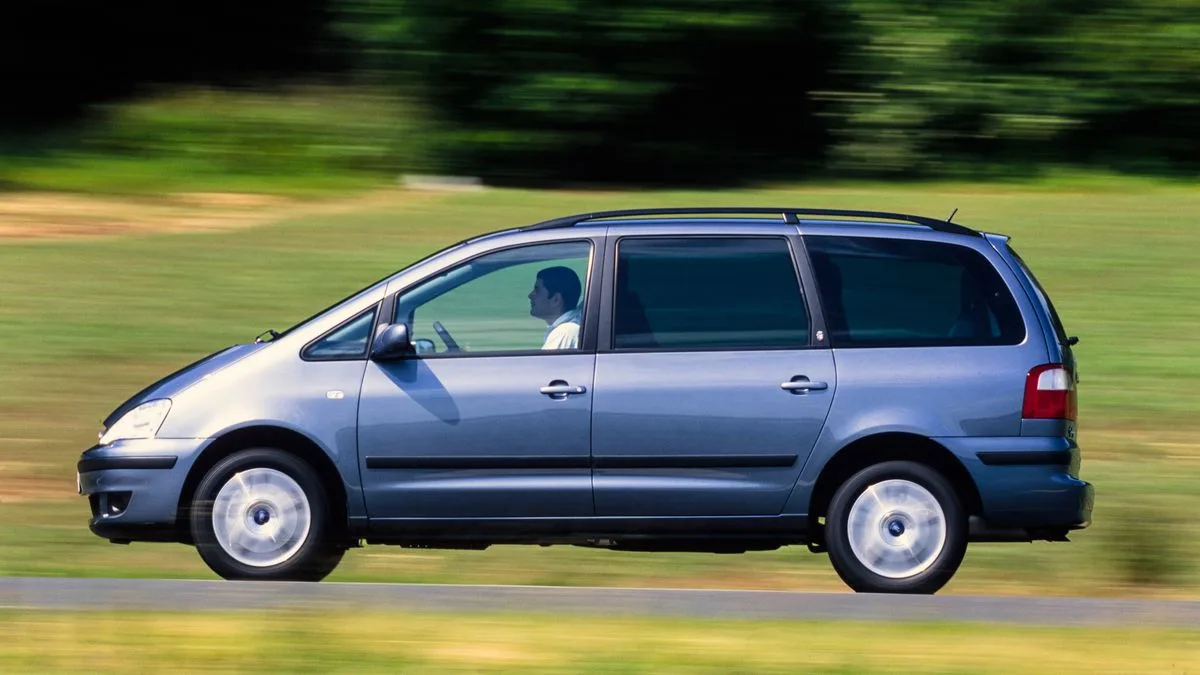
- Ford Galaxy 2.3 - £735 annual tax
- Jaguar X-Type 2.0-litre Auto - £735 annual tax
- Subaru Forester 2.5 XT - £735 annual tax
- Volkswagen Golf R32 - £760 annual tax
- Chrysler PT Cruiser - £735 annual tax
- Vauxhall Zafira VXR - £735 annual tax
- Ford Mondeo V6 - £735 annual tax
Wayne Lamport of Stone Cold Classics in Kent told The Telegraph: "We have to be very careful when we buy stock which is 2006 or more recent. Cars such as a Jaguar X-Type are great, but who wants to pay more than £700 for the annual tax? It doesn't take many years of ownership to spend the value of the car."
The Environmental Dilemma
This scrappage trend presents an environmental paradox. While newer vehicles typically have lower emissions during operation, manufacturing a medium-sized new car generates substantial carbon emissions - potentially more than 17 tonnes of CO2 equivalent according to The Guardian.
Environmental experts Mike Berners-Lee and Duncan Clark have noted: "With this in mind, unless you do very high mileage or have a real gas-guzzler, it generally makes sense to keep your old car for as long as it is reliable - and to look after it carefully to extend its life as long as possible."
They calculate that extending a car's life from 100,000 to 200,000 miles could reduce per-mile emissions by as much as 50% by spreading the initial manufacturing emissions over greater distance.
Historical Tax Structures and Future Changes
The current situation stems from historical tax structures. Most pre-2001 vehicles are taxed according to engine size rather than emissions, with cars under 1,549cc paying £229 annually and larger engines £360. For vehicles registered between March 2001 and March 2006, maximum rates were capped at what is now the Band K rate of £430.
Looking ahead to the 2026-2027 tax year, multiple bands will see increases:
- 121-130g/km: Rising from £165 to £170
- 131-140g/km: Rising from £195 to £200
- 141-150g/km: Rising from £215 to £225
- 151-165g/km: Rising from £265 to £275
- 166-175g/km: Rising from £315 to £325
- 176-185g/km: Rising from £345 to £360
- 186-200g/km: Rising from £395 to £410
- 201-225g/km: Rising from £430 to £445
- 226-255g/km: Rising from £735 to £760
- Over 255g/km: Rising from £750 to £790
Market Consequences and Owner Decisions
The tax increases are creating significant market distortions. Many vehicles on the cusp of becoming classics are being exported to countries where buyers welcome these cut-price cars, while others are simply being scrapped. This affects not just exotic supercars but practical vehicles like all-wheel-drive Land Rover Freelanders and Subaru Foresters that some drivers choose for their extra grip and perceived lower running costs compared to larger 4x4s.
Lamport highlighted the Chrysler PT Cruiser as a particular casualty: "A lot of people love them and think it will be a novelty, but they go off the idea when they realise the annual cost of taxing it. A lot of these cars are virtually unsellable."
As April 2026 approaches, motorists face difficult decisions about whether to pay escalating taxes on older vehicles, switch to newer models (potentially facing first-year charges up to £5,490 depending on emissions), or simply remove their cars from the road entirely - a choice with both economic and environmental implications that extend far beyond individual vehicle ownership.




