The Tourist Transport Challenge: Why Cities Must Improve Public Transit
Public transport systems in major cities worldwide are failing to adequately serve both visitors and local residents, creating unnecessary friction for travellers and missed revenue opportunities for municipalities. This pressing issue has been highlighted by travel correspondent Simon Calder, who recently experienced firsthand the complexities of navigating Sao Paulo's mass transit network as a tourist.
The Sao Paulo Experience: A Case Study in Transport Frustration
Calder's journey from Sao Paulo's international airport to the city centre illustrates the multiple barriers tourists face when attempting to use unfamiliar public transport systems. Despite South America's main aviation hub boasting a shiny Airport People Mover system, this driverless shuttle remains non-operational years after its original 2021 opening date, with the latest January 2026 deadline having passed unfulfilled.
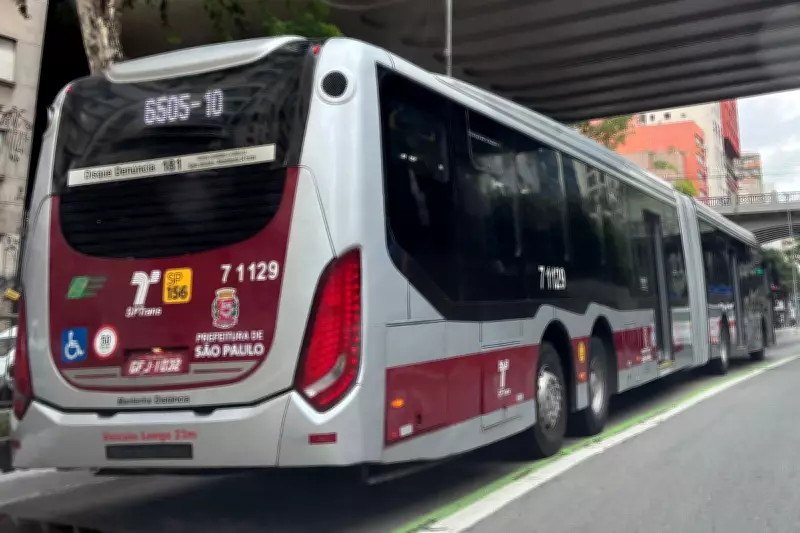
The initial bus journey presented immediate payment problems, with British credit cards failing to work on the local transport system. Calder required assistance from a friendly local resident to tap through the turnstile using their card. Subsequent attempts to purchase metro tickets encountered the "cash only" barrier, creating further complications for international visitors without local currency.

Even when contactless payment eventually worked on the metro system, the Airport Express train service proved inadequate for a city of Sao Paulo's size and importance. With departures only once per hour, the service becomes overcrowded, resembling "a Brazilian football stadium" according to Calder's observations.
The London Model: Seamless Travel for Visitors
Transport for London demonstrates how cities can successfully integrate tourists into their public transport ecosystems. The capital's contactless payment system allows visitors with compatible cards or phones to navigate the Underground and surface transport effortlessly, with the technology automatically calculating the lowest applicable fare.
This frictionless approach benefits both tourists and the city's transport funding, as visitors gladly use public transport rather than adding to traffic congestion through ride-sharing services. The revenue generated from tourist fares represents an essential component of London's transport financing, while seamless journeys enhance the city's overall appeal to international visitors.
The Economic Imperative for Better Tourist Transport
While public transport primarily exists to serve local populations, cities have significant economic incentives to improve systems for tourists. The infrastructure, buses, and airport express trains are already operational, meaning transport enterprises can generate additional revenue from overseas visitors without substantial new investment.
This extra income can then be reinvested to enhance services for citizens, creating a virtuous cycle of improvement. The alternative sees tourists defaulting to ride-sharing apps like Uber, which not only deprives public transport systems of revenue but also increases traffic congestion on already inadequate urban roads.
The Luxembourg Example: Ultimate Simplicity
One nation has taken tourist-friendly transport to its logical conclusion. Luxembourg's entire public transport system operates without fares, creating the ultimate in simplicity for both residents and visitors. While this model may not be financially viable for all cities, it demonstrates the potential benefits of removing payment barriers entirely.
Cities worldwide must recognise that improving public transport for tourists isn't merely about hospitality but represents sound economic policy. By making systems more accessible and user-friendly for international visitors, municipalities can boost tourism revenue, reduce traffic congestion, and improve services for everyone who uses urban transport networks.