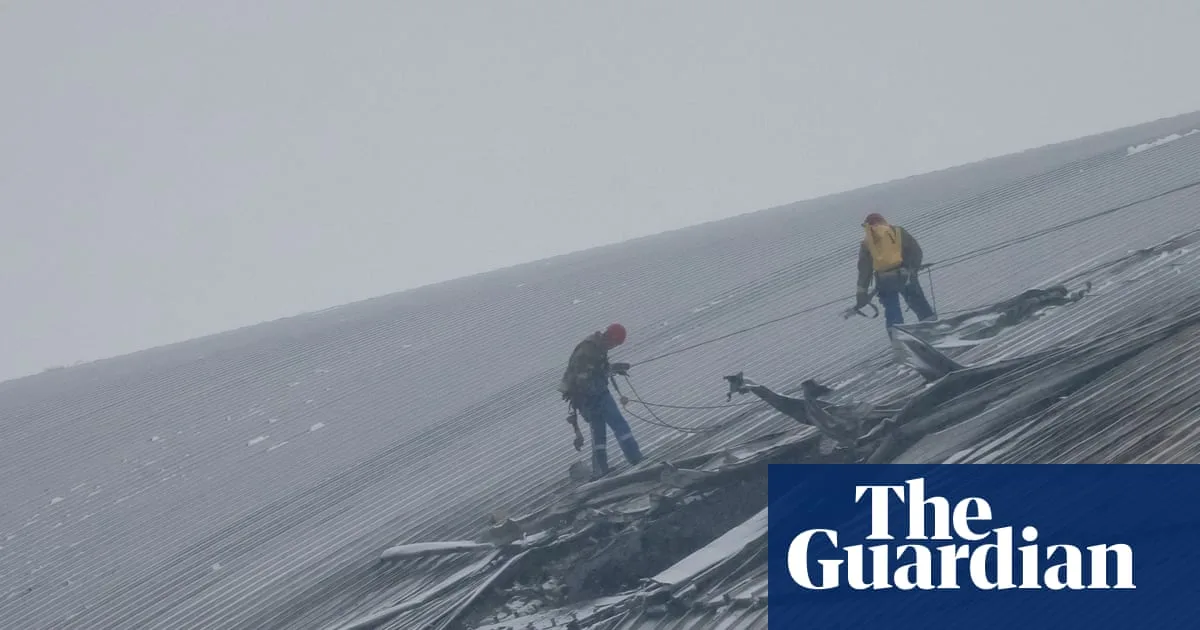
The protective shield over the Chornobyl nuclear reactor in Ukraine, damaged by a drone strike in February, can no longer effectively block radiation, the International Atomic Energy Agency (IAEA) has announced. The €1.5bn ($1.75bn) 'new safe confinement' structure, completed in 2019, was designed to contain radiation during the final clean-up of the 1986 meltdown.
An IAEA inspection last week found that the drone impact had degraded the structure, compromising its primary safety functions. IAEA Director General Rafael Grossi stated that while the load-bearing structures and monitoring systems were not permanently damaged, 'comprehensive restoration remains essential to prevent further degradation and ensure long-term nuclear safety'.
The drone strike, which Ukraine blamed on Russia, blew a hole in the shield. Moscow denied involvement. The UN reported on 14 February that a drone with a high explosive warhead struck the plant, causing a fire and damaging the protective cladding, though radiation levels remained normal and stable with no leaks reported.
The 1986 Chornobyl explosion sent radiation across Europe. The Soviets built a concrete 'sarcophagus' over the reactor with a 30-year lifespan, which the new confinement was meant to replace during the decades-long removal of the sarcophagus and melted nuclear fuel. Russia occupied the plant for over a month in early 2022 during its invasion of Ukraine.