

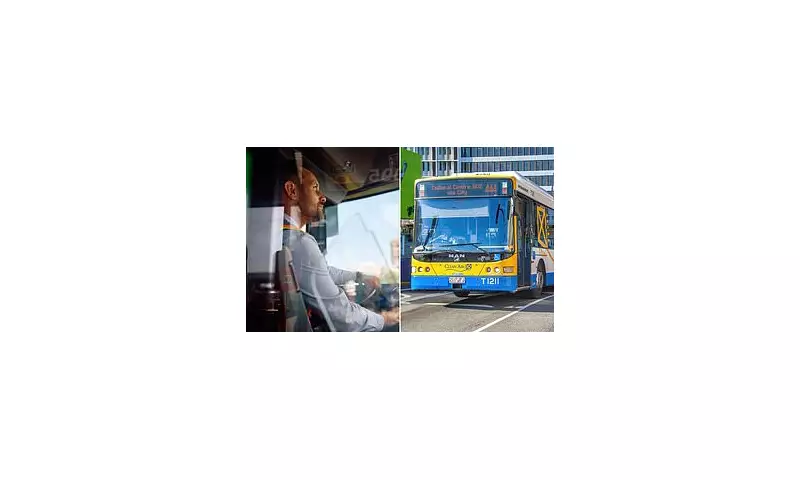
We've all been there: sprinting towards a bus stop, arm outstretched, only to watch in dismay as the vehicle pulls away. While it feels like a personal snub, a bus driver from Brisbane has offered a detailed and frank explanation for why this happens, putting it down to fundamental safety protocols and the need to maintain an efficient service for everyone.
The Critical Safety Reasons Behind Closed Doors
The driver, who posted anonymously in an online forum, explained that once the doors are shut, the driver's focus shifts entirely to safely rejoining the traffic. "Once we shut our doors, we are under no obligation to reopen them," he stated. At that moment, his attention is on the offside mirror, checking for a safe gap to pull out. Reopening the doors distracts from this crucial manoeuvre.
He further clarified that activating the turning indicator signals to following traffic that the bus is about to depart. Delaying this movement after giving the signal creates confusion and can lead to dangerous situations or even accidents. The driver also issued a specific plea to passengers: "Please don't tap on the door as it is distracting and dangerous." He warned that there have been instances of people being hit by buses or other vehicles while running to catch them.

The Ripple Effect of Small Delays
Beyond immediate safety, the driver highlighted how accommodating late runners has a compounding effect on the entire route's schedule. "If I wait for one person here and two people there, this causes delays," he explained. He broke down the maths: waiting just 30 seconds longer than needed at 20 stops during a shift adds up to a ten-minute delay overall, even before factoring in missed traffic light sequences.
This domino effect means hundreds of passengers could be inconvenienced. "What is worse?" he asked rhetorically. "Waiting for one person who may think I am doing it to be nasty, or delaying several hundred people over a duration of a shift and everyone hates me because of this?"
When Exceptions Are Made
The driver noted there are compassionate exceptions to the rule. He stated he would consider waiting if it was clear the passenger was elderly, had a disability, or if the weather was particularly severe. The other key circumstance is when the bus is running ahead of schedule. "If I see I am running early, I will wait," he said, explaining he uses such opportunities to avoid arriving too soon at the next timing point.
He acknowledged the frustration passengers feel when buses are late, listing factors often outside a driver's control like traffic, accidents, breakdowns, and medical emergencies. However, he suggested passengers could help improve efficiency by being at the stop five minutes early and having their payment method ready before boarding.
The driver's honest post resonated with many Brisbane commuters, who thanked him for the insight. Respondents agreed with the logic of prioritising the many over the one, with one commenting: "It is the classic question of: Is one person more important than the 50 other people on the bus?" The discussion also touched on the poor treatment drivers sometimes receive, with the original poster advising colleagues to let criticism slide off them "like Teflon."






