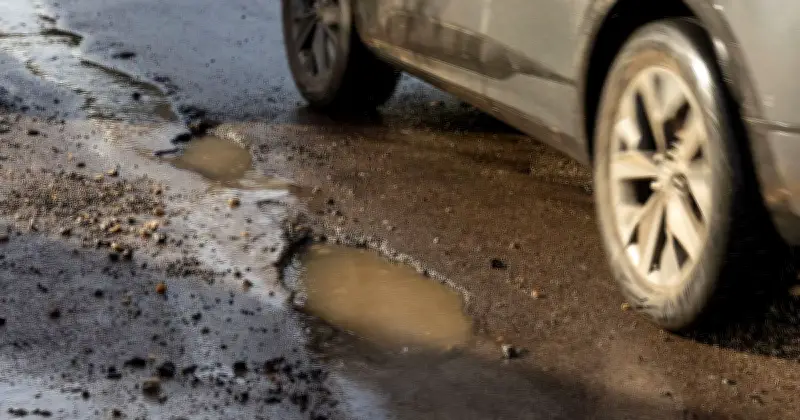
Brighton & Hove has been named the council with the worst roads in England, with 17% of its A routes classed as red, according to new data published by the Department for Transport (DfT).
Local authorities are required to survey roads under their management and place them into one of three categories: red, amber or green. A red label typically indicates that the roads are "poor", with plenty of issues, such as potholes.
Top Five Councils with Red Roads
Nottingham was next, with as much as 15% of roads in the local area considered to be in "poor" condition. The London borough of Brent was third with 14% of routes labelled 'red', followed by Salford and North Tyneside (both 13%).
Nearly half of councils in England (45%) say the condition of major roads in their area has worsened in the past few years, but some face more immediate problems.
National Picture and Funding
Across England as a whole, 4% of local A roads were classed as red in 2026, the same as in both 2024 and 2025. However, some 28% of local A roads were deemed to be in amber condition, meaning maintenance may soon be required. This figure was up slightly from 27% in 2024 and 2025.
RAC head of policy Simon Williams said: "This data confirms what so many road users will have observed on a daily basis for years – that far too many roads are in a poor condition, leading to uncomfortable journeys and costly repair bills. But there is reason for drivers to be a little more optimistic than they might have been in the past."
Williams added: "Greater central Government funding, and scrutiny of how it's being spent, means there's more pressure on councils to get on top of maintaining their roads than ever before, including carrying out more vital work to prevent potholes appearing in the first place."
Green Roads and Survey Variations
According to DfT data, 68% of roads in England are classified as green, meaning no further work is needed. This is down from a previous score of 70% in 2024 and 69% in 2025.
The DfT has warned that not all councils use the same type of equipment to carry out their road-condition surveys, meaning the method of categorising a road surface as red, or poor, could vary.
Despite this, Luke Bosdet of the AA's motoring policy unit stressed that many of England's roads were littered with potholes. He said: "Today's road condition report once again reveals two different Englands: one with major and main roads in reasonably good condition and another with minor and rural roads often pitted with holes and defects."
Bosdet continued: "Many of these defects don't quite meet a council's criteria for repair but still pose a threat, or are bad enough to meet repair requirements but are back-logged on a long list. What is happening on rural roads partly mirrors what is happening in residential streets but is ramped up to a higher threat level: potholes and other defects are harder to spot, more severe and take even longer to be repaired."