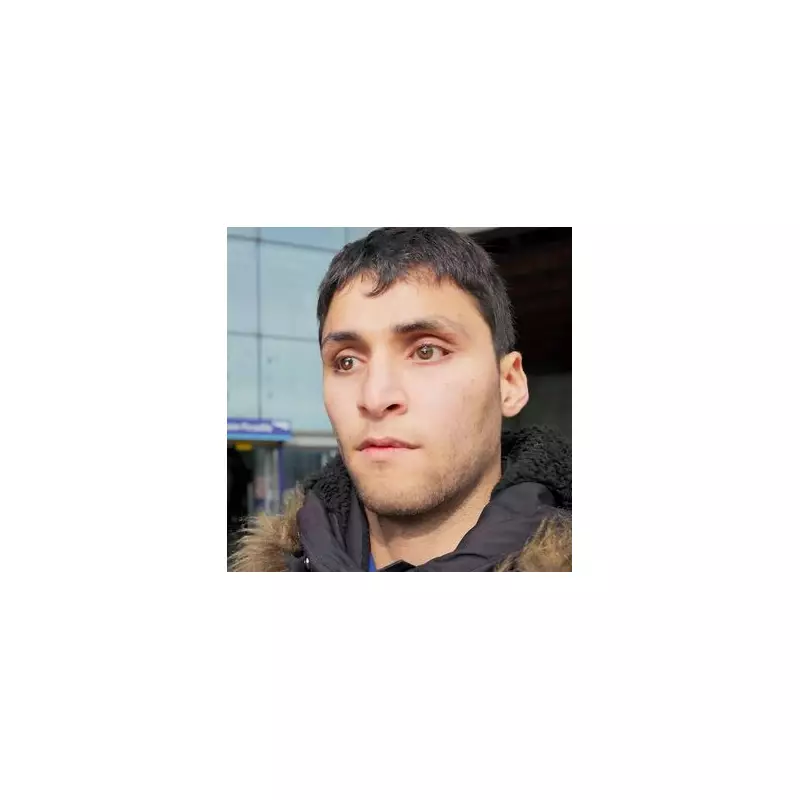
A blind law student who fell onto railway tracks when station staff failed to provide booked assistance has been awarded £18,000 in a legal settlement. Abdul Eneser, 23, managed to drag himself to safety with just sixty seconds to spare before a freight train came speeding through Manchester Piccadilly station.
Narrow Escape at Manchester Piccadilly
Abdul Eneser, a masters law student from Manchester studying at the University of Strathclyde, had arranged for Passenger Assist support to help him navigate through the station. When he arrived at platform 14 after midnight on May 21, 2022, following a delayed journey from Glasgow, no staff members were present to meet him as promised.
Without tactile paving to warn him of the platform edge, Abdul was unaware how close he stood to the drop. As he attempted to locate the station exit steps, he fell onto the tracks, sustaining injuries to his knees, hands, and neck.

Systemic Accessibility Failures
Abdul's case highlights broader accessibility issues across Britain's rail network. His lawyers argued that the failures breached duties under both the Equality Act and occupiers' liability laws. Although Network Rail did not admit liability, they agreed to an £18,000 settlement that was approved by a court in November last year.
"This case is about much more than compensation," Abdul stated. "Poor accessibility in rail travel is not just a one-off issue. This is something that prevents myself and others with visual impairments from travelling with confidence."
Industry-Wide Problems Revealed
The incident occurred months after Network Rail announced tactile paving was being installed across the network following the tragic death of another blind man, Cleveland Gervais, in 2020. However, Abdul's experience suggests systemic problems persist.
A recent report from the Royal National Institute of Blind People (RNIB) found that just 44 percent of blind and partially sighted people are "reliably met by staff at their destination or connecting station." Furthermore, 48 percent reported they only "sometimes" receive assistance when alighting trains.
Calls for Improved Support Systems
Abdul has called for substantial improvements to accessibility support, including:
- Live chat functionality within the Passenger Assist app
- Clearly marked help buttons at every station entrance
- Standardised meeting points at all stations
- Direct digital communication with station staff rather than distant call centres
"What we need is consistency," Abdul emphasised. "That kind of direct line would mean if something goes wrong - a delay, a platform change - you're not left stranded wondering if anyone's coming to help you."
Legal Perspective on Accessibility Obligations
Kate Egerton of law firm Leigh Day, which represented Abdul, commented: "Ensuring that stations are accessible for blind and visually impaired people is crucial to ensuring they can travel safely on an equal basis to fully sighted passengers."
"Network Rail and Train Operators have a clear obligation to ensure that train stations are accessible for all," she continued. "Not only is it distressing for passengers with visual impairments to try to navigate inaccessible platforms and services, it is also extremely dangerous."
Network Rail's Response
A Network Rail spokesperson stated: "We are extremely sorry for the experience Abdul Eneser suffered at Manchester Piccadilly. We let him down and have offered him our full and unreserved apology."
The spokesperson acknowledged: "We recognise that there is much to do to make the railway more accessible for all and are working closely with industry partners to deliver these improvements across the rail network as quickly as we can."
The settlement and surrounding discussions highlight ongoing challenges in creating truly accessible public transport infrastructure, with campaigners calling for more robust systems to protect vulnerable passengers during their journeys.