

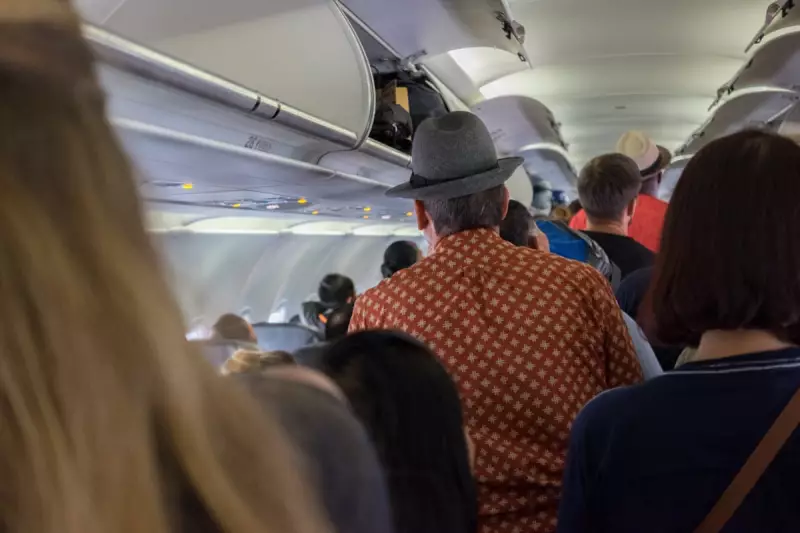
A new lexicon of irritation is taking flight, describing the increasingly uncivil behaviour plaguing air travel. From 'aisle lice' to 'gate lice', passengers are voicing their fury online about fellow travellers whose pushy antics disrupt journeys for everyone.
The New Taxonomy of Travel Troubles
The term 'aisle lice' has emerged to describe passengers who leap up the moment the seatbelt sign switches off – or even just before – in a frantic dash to be first off the aircraft. This behaviour, according to flight attendants quoted in a recent Reader's Digest article, ironically slows down the disembarkation process for all.
This is merely one species in a growing ecosystem of travel pests. 'Gate lice' are those who cluster around the boarding gate long before their group is called, attempting to board prematurely, often to claim overhead locker space. Meanwhile, 'baggage claim lice' crowd around the carousel, blocking access for those whose luggage has already arrived.

What's Causing the Crush?
Many argue this is symptomatic of a wider decline in public courtesy. However, industry practices are also in the spotlight. Airlines' relentless pursuit of profit, through charging extra for front-row seats, carry-on bags, and priority boarding, is seen as fostering a competitive, 'sharp-elbowed' mindset among passengers. The scramble for scarce resources and advantages begins long before takeoff.
Can Rules and Shame Restore Order?
Authorities and airlines are beginning to fight back with enforcement and technology. Notably, the Turkish civil aviation authority has instituted a fine of approximately £50 for passengers who stand or remove seatbelts before the plane has taxied to a complete stop.
On the boarding front, in 2024, American Airlines introduced technology at over 100 US airport gates that emits two loud, admonishing tones if a passenger tries to scan their boarding pass before their group is called. The public bleep serves as a digital reprimand.
Alongside formal measures, the court of public opinion is in constant session online. Public shaming via social media has become a common way for exasperated travellers to call out bad behaviour, turning it into a spectator sport that helps pass the time during delays.
While these steps may curb the worst excesses, the debate continues. As one aviation expert summarised: 'When aeroplane etiquette becomes a matter of passenger safety and operational efficiency, the rules must be rigorously enforced.' The hope is that a combination of financial penalties, technological barriers, and social pressure might just make the skies friendlier again.






