
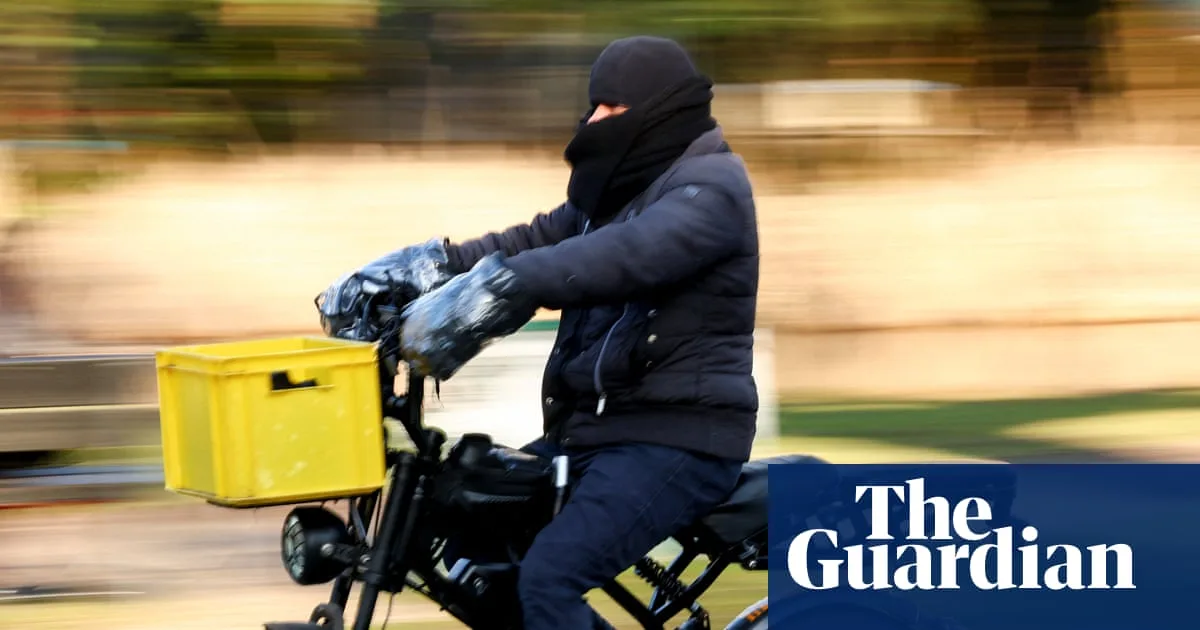
Amsterdam is preparing to ban fatbikes – thick-tyred electric bikes – from some of its parks after a marked rise in serious accidents, particularly involving children. The city’s head of transport, Melanie van der Horst, said 'unorthodox measures' were needed and announced that the ban would start in the Vondelpark, with other areas to follow.
Road safety organisation VeiligheidNL estimates that 5,000 fatbike riders are treated in A&E each year, based on a recent hospital sample. Spokesman Tom de Beus noted that young people aged 12 to 15 account for the most accidents. Many fatbikes are illegally modified to reach speeds of 25mph, well above the legal limit of just over 15mph for e-bikes.
Reactions in the Vondelpark were mixed. Some users like Henk Hendrik Wolthers, 69, called the plans 'nonsense', arguing fatbikes are the quickest means of transport. But others, such as runner Muriel Winkel, supported the ban, saying riders often go too fast and carelessly. The Fietsersbond Amsterdam cycling association said the rise of illegal bikes was scaring elderly people and children off the roads.
Medical experts backed the move. Brain injury specialist Marcel Aries said bans were a reasonable public health response to congested streets and widening speed gaps. Surgeon Marlies Schijven called the Vondelpark ban 'a baby step', as hospitals still see pain and death daily from such accidents. The Dutch government is also introducing a helmet requirement for children on e-bikes from 2027.
The roadside assistance organisation ANWB said the problem lies not with the wide-tyred bike model itself, but with the ease of speeding them up and combining that with risky behaviour. Wolthers agreed that children should not be riding these powerful vehicles, noting they go through red lights and cannot assess traffic.




