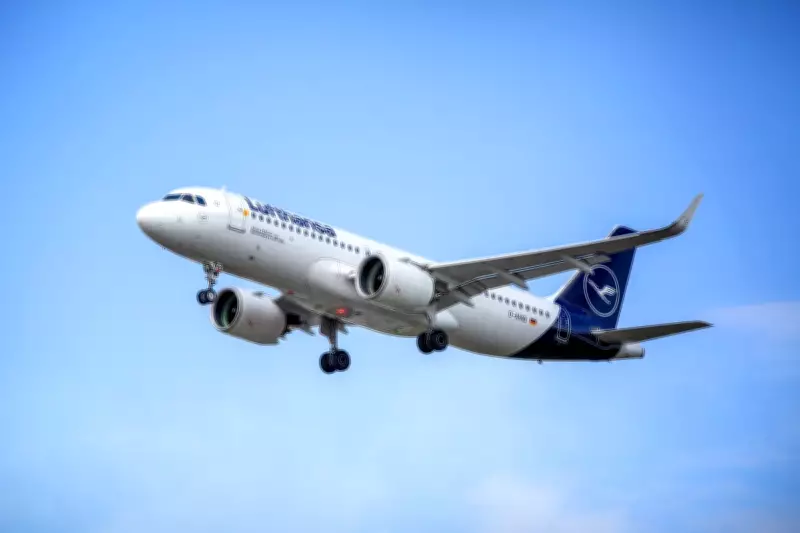
Global Aviation Industry Faces Severe Turbulence as Jet Fuel Prices Skyrocket
The global aviation sector is experiencing significant disruption following a dramatic surge in jet fuel prices, driven by the escalating conflict between the US-Israel alliance and Iran. Costs have soared from approximately $85 to $90 per barrel to an alarming $150 to $200 per barrel in recent weeks, representing a substantial financial blow for carriers where fuel can account for up to a quarter of operating expenses.
Airlines Forced to Implement Drastic Measures
In response to this crisis, airlines are being compelled to raise fares, cancel flights, and revise financial forecasts. Lufthansa Group has announced the cancellation of 20,000 flights over the next six months to conserve 40,000 metric tonnes of jet fuel, while other carriers are introducing fuel surcharges and reducing capacity.
The European Commission has proposed measures under its 'AccelerateEU' package to optimise jet fuel distribution between EU countries and prevent shortages. However, with approximately 75% of Europe's jet fuel supply originating from the Middle East, disruptions to the Strait of Hormuz route have created acute supply challenges.

How Airlines Are Responding Worldwide
Aegean Airlines expects suspended Middle East flights and fuel price spikes to notably impact first-quarter results. AirAsia X has cut 10% of flights and imposed a 20% fuel surcharge.
Air France-KLM plans to increase long-haul ticket prices by 50 euros per round trip, with KLM cancelling 160 European flights. Air Canada will trim four daily New York flights from June to October 2026.
Air India is revising fuel surcharges to a distance-based system, while Air New Zealand has slashed flights through May and June and suspended earnings forecasts.
American Airlines has increased checked baggage fees by $10 for first and second bags and $150 for third bags, expecting a $400 million rise in first-quarter fuel expenses. Delta Air Lines has cut capacity by 3.5 percentage points and raised baggage fees similarly.
EasyJet warns of higher ticket prices as fuel hedges expire, forecasting a bigger half-year pre-tax loss. British Airways-owner IAG has hedged much of its fuel and doesn't plan immediate price increases.
Regional Impacts and Government Interventions
In Nigeria, airlines temporarily suspended a planned nationwide shutdown after government intervention, though they continue to demand relief from crippling fuel prices. The Airline Operators of Nigeria had warned operations were becoming unsustainable.
Hong Kong carriers including Cathay Pacific and Hong Kong Airlines are raising fuel surcharges by up to 35%, with Cathay Pacific cutting 2% of passenger flights. China Eastern Airlines has implemented surcharges of 60-120 yuan on domestic flights.
Korean Air has entered emergency management mode, while SAS has cancelled 1,000 April flights. Qantas has delayed a share buyback and raised its estimated fuel bill significantly.
Low-Cost Carriers and Tour Operators Feel the Pressure
Spirit Airlines has requested emergency funding from the Trump administration, while JetBlue has increased optional service fees despite ruling out bankruptcy this year. Frontier Airlines is reviewing its full-year forecast.
Europe's largest tour operator, TUI, has cut profit forecasts and suspended revenue guidance, citing uncertainty from the Iran conflict. The company is 83% hedged for summer jet fuel but shares have fallen 25% in three months.
Virgin Atlantic is adding fuel surcharges but still struggles to return to profitability, while Virgin Australia expects increased fuel costs of A$30-40 million.

Additional Carrier Responses
- Indigo has introduced fuel charges and is lobbying the Indian government to cut fuel taxes
- Turkish Airlines has decided against dividend distribution to preserve cash
- United Airlines is cutting unprofitable flights and raising baggage fees
- Vietnam Airlines plans to cancel 23 weekly domestic flights
- Volotea has introduced fuel-linked pricing with potential post-purchase surcharges
- WestJet has cut seat capacity and added a C$60 fuel surcharge
The aviation industry faces continued uncertainty as the Middle East conflict persists, with airlines implementing varied strategies to mitigate the impact of soaring jet fuel prices on their operations and profitability.