

The United Kingdom and the United States have finalised a significant new trade agreement focused on the pharmaceutical sector, securing tariff-free access for British-made medicines into the American market while committing to increased drug expenditure within the NHS.
Details of the Bilateral Agreement
Announced on Monday 1 December 2025, the deal ensures that import taxes on UK pharmaceuticals entering the US will remain at 0% for a minimum of three years. This move directly addresses previous threats from the Trump administration to impose tariffs of up to 100% on branded drug imports. The UK government, led by Prime Minister Keir Starmer, hailed the arrangement as a stabilising force for a vital export industry.
In return, the UK has agreed to substantial changes in how the NHS budgets for and pays for new medicines. The government will raise its upper spending threshold for new drugs by 25%, a change expected to fast-track the approval of breakthrough treatments for cancer and rare diseases that were previously rejected on cost grounds. Furthermore, from 2026, the repayment rate on NHS drug prices will be cut to 15%, reducing the amount manufacturers must return if the health service overspends on branded medicines.

Economic and Health Implications
The agreement carries major implications for both nations' economies and health systems. The US administration, represented by Commerce Secretary Howard Lutnick, framed it as a "major win" for America, aimed at strengthening supply chains and creating high-quality jobs. "This deal ensures that the breakthroughs of tomorrow will be built, tested, and produced on American soil," Lutnick stated.
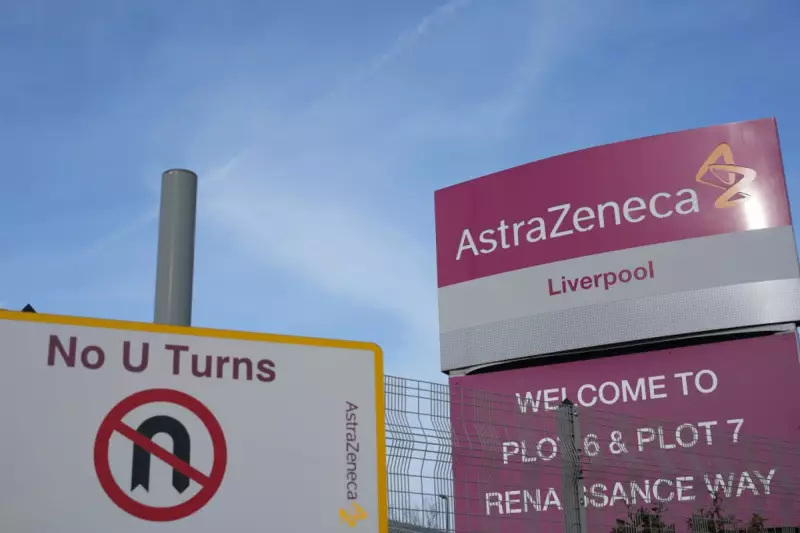
For the UK, the deal protects a crucial export market. The US is the largest buyer for British pharmaceutical giants like GSK and AstraZeneca, with exports worth at least £5 billion annually. Business and Trade Secretary Peter Kyle emphasised that the deal "guarantees" this valuable trade will continue tariff-free. The 0% rate is reportedly the lowest the US offers to any country.
Addressing Industry Concerns and Future Investment
The pact follows intense lobbying and warnings from US drug companies about potentially scaling back investment in the UK if the NHS did not increase its spending on medicines. US Ambassador Warren Stephens had recently cautioned that American businesses would axe future UK investments without swift changes.
In response, the UK has outlined a long-term plan to double NHS spending on medicines over the next decade, raising it from 0.3% to 0.6% of GDP. UK Science and Technology Secretary Liz Kendall said the "vital deal" would ensure British patients get cutting-edge medicines sooner. The Association of the British Pharmaceutical Industry (ABPI) welcomed the commitments, with Chief Executive Richard Torbett noting they begin to address industry concerns and should help attract global life sciences investment to the UK.
The US has also pledged to "work to ensure that UK citizens have access to latest pharmaceutical breakthroughs," signalling a mutual, though carefully balanced, commitment to health innovation on both sides of the Atlantic.






