
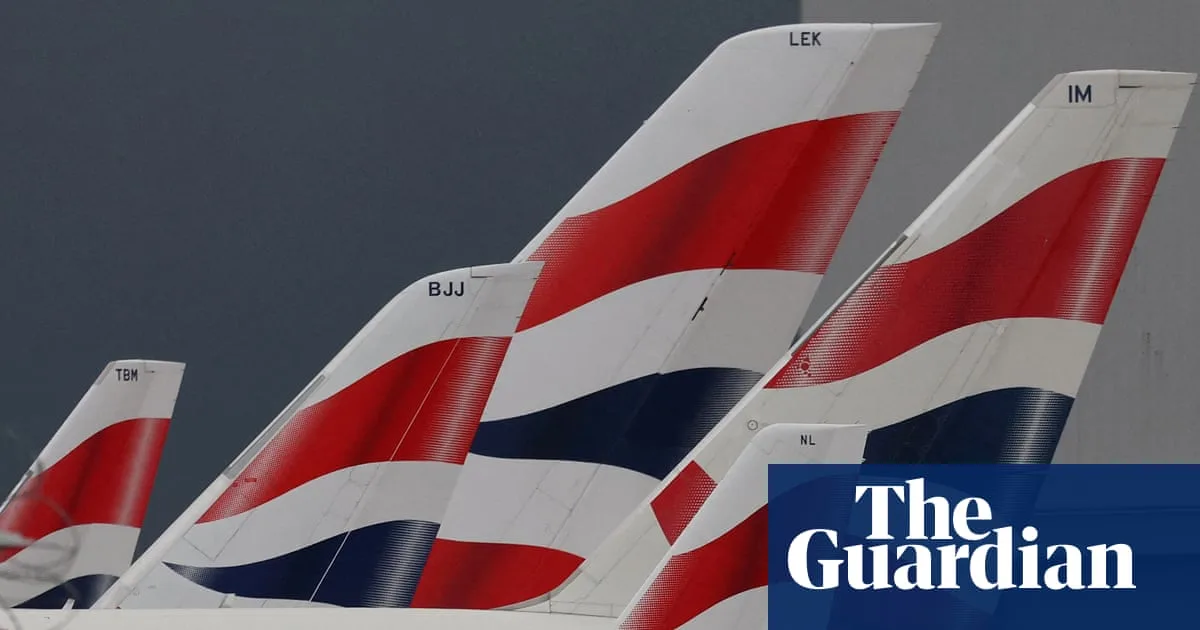
UK airlines are lobbying ministers to relax environmental and noise regulations, modify passenger compensation rights and reduce taxes on flying, as they brace for higher costs and potential jet fuel shortages linked to the conflict in the Middle East. The demands are contained in a briefing document prepared by the trade body Airlines UK on behalf of carriers including British Airways, easyJet, Ryanair, Virgin, TUI and Jet2.
The document asks for the suspension of the emissions trading scheme, temporary relaxation of night flying restrictions, and a reduction, rebate or holiday on air passenger duty. Airlines also want fuel-related disruption to be classified as an extraordinary circumstance, which would limit compensation for stranded passengers to refunds rather than additional payouts. Other requests include permitting imports of Jet A fuel from the United States by waiving European standards, and directing UK refineries to prioritise jet fuel production.
The industry warns that without action, continued disruption to supplies would force airlines to cut flights and increase fares. Although the government and aviation bodies insist there is currently no shortage, the head of the International Energy Agency has said Europe has only six weeks of jet fuel left and flight cancellations could soon follow if Middle East oil supplies are not restored.
A spokesperson for Airlines UK said: 'Airlines continue to operate normally and are not experiencing issues with jet fuel supply, but as you would expect we remain in close contact with the Department for Transport given the current external environment.' They added that additional flexibility would enable airlines to operate efficiently and minimise disruption to customers.
In a separate development, German carrier Lufthansa announced it had cancelled 20,000 short-haul flights between May and October to save fuel, citing prices that have doubled since the Iran conflict. Willie Walsh, director general of the global airlines body Iata, called for well-communicated contingency plans in case rationing becomes necessary, including slot relief. A government spokesperson said UK airlines were clear that they were not currently facing a jet fuel shortage, and that contingency planning with suppliers and international partners was ongoing.




