Trump's Iran Strikes Accelerate the World's Drift from Dollar Dominance
Donald Trump's recent attack on Iran, dubbed Operation Epic Fury, represents another aggressive move by a bullish US administration. Beyond unleashing fresh instability across the Middle East, these strikes reinforce a perception that the United States is operating with scant regard for international law or global norms. This pattern, evident in Trump's fluctuating tariff policies and actions against Venezuela, is now influencing financial spheres, potentially hastening a historic shift away from the global dominance of the US dollar towards a more complex, multipolar currency system.
Economic Indicators and Global Sentiment
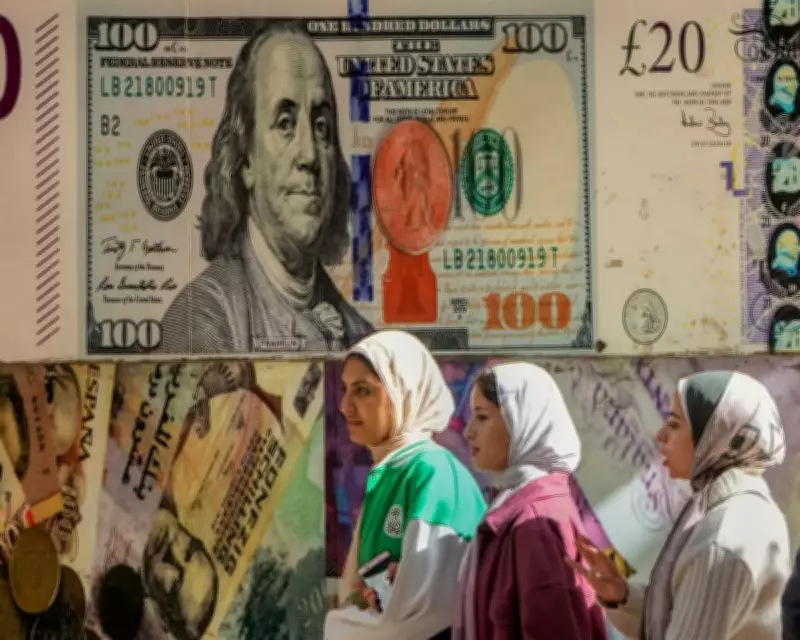
The trade-weighted dollar has depreciated by 7% over the past year, despite robust US economic growth and soaring Wall Street stock prices. This decline partly reflects inflation and interest rate expectations, but also a growing, nebulous sense that US policy frameworks are becoming less solid and predictable. As highlighted at a recent London conference by the Centre for Inclusive Trade Policy, the future likely involves not a single currency replacing the dollar, as occurred when the dollar supplanted sterling post-World War II, but the emergence of a more intricate, multipolar financial landscape.
International trade remains overwhelmingly denominated in the greenback, although China's renminbi is gaining traction, actively promoted by Beijing. However, in foreign currency reserves, global central banks have been quietly and gradually diversifying away from dollars. The dollar's share in these reserves has slipped from 71% in 2001 to 57% by the final quarter of last year, signalling a gradual but significant shift.

Historical Context and Geopolitical Leverage
The seeds of this transition were sown long ago. During the 2007-08 credit crisis, the US Federal Reserve intervened by opening swap lines to select countries, allowing central banks to exchange their currencies for desperately needed dollars. While this move saved the offshore dollar system and was widely welcomed, it exposed the immense leverage the US wields due to its currency's role as the lifeblood of the global economy.
Moreover, the increasing use of economic sanctions as a geopolitical tool—such as freezing offshore assets and cutting access to the Swift payment system—has underscored the risks of what scholars term "weaponised interdependence." Canadian Prime Minister Mark Carney echoed this concern at Davos, warning that great powers are exploiting economic integration, tariffs, financial infrastructure, and supply chains as instruments of coercion. Washington's growing willingness to leverage its financial dominance to strongarm rivals has amplified calls for alternatives to the dollar.
Technological and Structural Developments
Another factor driving de-dollarisation is the availability of technological solutions that make settlement and exchange infrastructure cheaper and faster. New financial structures are being built incrementally. For instance, the European Central Bank recently announced plans to enhance its repo arrangements, offering to lend euros to other central banks during crises. This initiative aims to underpin the euro's viability by acting as a lender of last resort, potentially avoiding the firefighting seen during the eurozone crisis.
Alejandro Fiorito of The Conference Board notes that China and Europe are investing in self-insurance measures, such as digital currencies and repo lines, to protect themselves politically and economically. Similarly, the Brics nations—including Brazil, China, India, and Russia—are committed to reducing dollar dominance. While a "Brics currency" remains theoretical, discussions are advancing on building financial linkages that bypass the US, such as establishing emergency swap lines and making central bank digital currencies interchangeable.

Implications for the United States
For the US, diminishing dollar dominance carries significant costs. Recent research from the Federal Reserve Bank of St Louis indicates a notable decline in the "convenience yield" of US Treasuries—the cost advantage the US government enjoys due to Treasuries being the world's preferred safe, liquid asset. This deterioration is driven by consistently high US deficits and rising debt, compounded by waning trust in US institutions. With US debt projected to reach 130% of GDP within five years, according to the International Monetary Fund, this trend could prove expensive in the long run.
Currently, US Treasuries remain a safe-haven asset during crises, as seen when yields fell amid fears of a software share price crash. However, Trump's chaotic regime has given fresh impetus to de-dollarisation, prompting governments worldwide to quietly build alternatives. The heavily indebted US of the near future may find itself grappling with a financial landscape less favourable to its interests.