
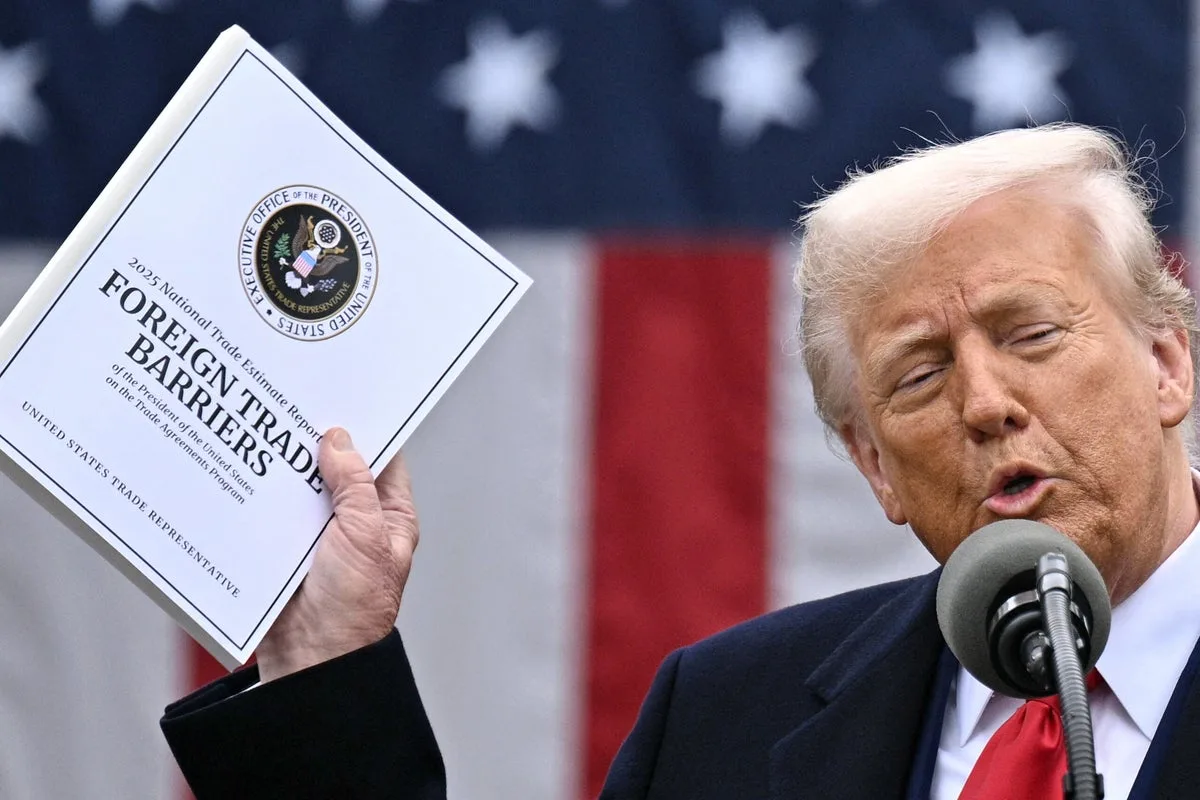
The Federal Reserve's latest 'Beige Book' report reveals that US businesses are increasingly passing the costs of President Trump's tariffs on to consumers, contradicting the administration's earlier assurances that prices would not rise.
The January report, which tracks economic conditions across the country, notes that cost pressures from tariffs were a consistent theme in all districts. Many businesses that initially absorbed tariff-related costs are now transferring them to customers as pre-tariff inventories deplete and margin pressures intensify.
Low- to middle-income consumers are becoming 'increasingly price sensitive and hesitant to spend on nonessential goods and services,' according to the report. A Goldman Sachs study found that by October, 37% of companies were passing tariff costs to consumers.
While some firms expect price growth to moderate slightly, the Fed warns that prices are likely to remain elevated as businesses continue to work through increased costs. The timing of any moderation will vary by sector; for instance, coffee roasters may not lower prices until they sell off tariff-era inventory, even though most coffee tariffs have been lifted.
On a positive note, the Beige Book reported that economic activity increased in regions around Federal Reserve banks in San Francisco, Dallas, Atlanta, and New York, marking a departure from the stagnant growth seen in the previous three reports.




