

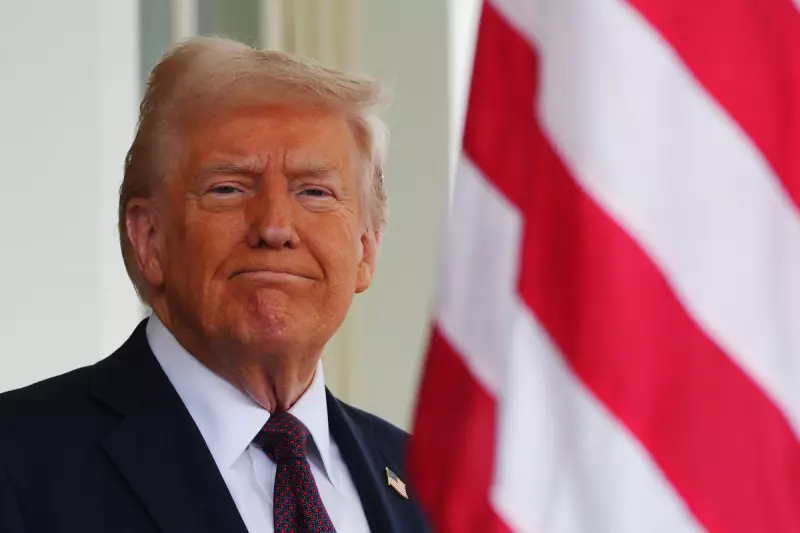
President Donald Trump has declared a sweeping new economic measure, announcing that any country engaging in trade with Iran will face a substantial 25 per cent tariff on all business conducted with the United States.
Unilateral Tariff Announcement via Social Media
The policy was unveiled by the President in a post on his Truth Social platform on Tuesday 13 January 2026. Trump stated the order was "effective immediately" and described it as "final and conclusive." The tariffs, which are typically paid by US importers, represent a significant escalation in Washington's long-standing pressure campaign against Tehran.
As of publication, no official documentation detailing the policy had been published on the White House website. The announcement lacked specifics regarding the legal authority Trump would use to impose the tariffs or whether the measure would target all of Iran's trading partners uniformly. Requests for comment from the White House were not returned.

Global Repercussions and Swift Condemnation
The move threatens to severely disrupt global trade flows, given Iran's extensive network of commercial partners. According to the most recent World Bank data, Iran exported products to 147 different trading partners in 2022. Key nations likely to be impacted include China, a major purchaser of Iranian oil, as well as the United Arab Emirates, India, Turkey, and Iraq.
The Chinese embassy in Washington swiftly condemned the move. A spokesperson posted on X, criticising "illicit unilateral sanctions and long-arm jurisdiction." The statement emphasised that "China's position against the indiscriminate imposition of tariffs is consistent and clear" and warned that tariff wars have no winners. China pledged to take "all necessary measures" to protect its interests.
Context of Rising Tensions and Domestic Unrest
This aggressive trade policy comes as the United States deliberates its response to the largest anti-government protests in Iran for years. The demonstrations, which began on 28 December, have evolved from initial grievances over economic hardship to direct challenges against the country's clerical establishment.
US-based rights group HRANA has verified significant casualties, reporting the deaths of 599 people – including 510 protesters and 89 security personnel. The unrest presents a grave challenge to Iran's leadership, the most severe since the 1979 Islamic Revolution.
Geopolitical tensions are already high. Iran fought a 12-day war with US ally Israel in 2025, and in June of that year, US military forces bombed Iranian nuclear facilities. While Trump has threatened military action and claimed contact with Iranian opposition figures, White House press secretary Karoline Leavitt indicated on Monday that "diplomacy is always the first option for the president," despite a range of alternatives including air strikes being available.
This latest tariff threat is consistent with Trump's second-term approach to trade and foreign policy, where he has frequently used tariffs as a tool against nations dealing with US adversaries or following trade practices he deems unfair. The policy itself faces legal scrutiny, as the US Supreme Court is currently considering a case that could strike down a broad range of Trump's existing tariffs.






