Taiwan has finalised a significant new trade agreement with the United States, securing substantial tariff reductions on its exports in a move celebrated in Taipei and swiftly condemned by Beijing. The deal, signed on Friday 16 January 2026, was hailed by Taiwan's Premier Cho Jung-tai as the "best tariff deal" obtained by any nation holding a trade surplus with Washington.
Details of the Landmark Agreement
The core of the pact sees US tariffs on Taiwanese goods lowered to a flat rate of 15 per cent. In return, Taiwan has committed to $250 billion in new investments within the United States' technology sector. Premier Cho emphasised that this rate, achieved with no additional fees, matches the terms granted to other major US partners like Japan, South Korea, and the European Union.
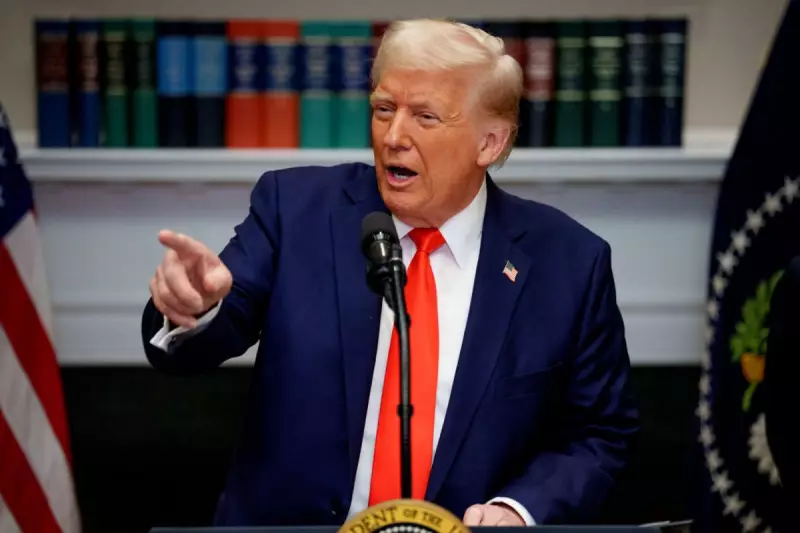
This agreement marks a considerable shift from the initial 32 per cent tariff proposed by former and current President Donald Trump, which was later adjusted to 20 per cent. The US Department of Commerce framed the deal as a historic step to "drive a massive reshoring of America’s semiconductor sector", establishing industrial parks to boost domestic manufacturing.

Strategic Implications and Reactions
The geopolitical ramifications were immediate. China, which claims sovereignty over the self-ruled island, forcefully criticised the pact. Foreign Ministry spokesperson Guo Jiakun stated Beijing "firmly opposes" any agreements with Taiwan that carry "sovereign connotations and an official nature".
For Taiwan, facing persistent military and political pressure from China, the deal is a strategic win. Premier Cho stated it demonstrates the US views Taiwan as an "important strategic partner". The agreement includes specific provisions, such as the 15% rate for automotive and wood furniture exports and zero tariffs for certain aerospace components.
Industry Impact and Broader Context
The deal coincides with major announcements from Taiwan's tech giants, most notably TSMC (Taiwan Semiconductor Manufacturing Company). The world's leading chipmaker reported a 35 per cent surge in net profit last quarter and plans to increase capital spending by nearly 40% this year. TSMC, which has pledged around $165 billion in US investments, is accelerating construction of new plants in Arizona.
The Commerce Department confirmed that Taiwanese semiconductor producers investing in the US will receive favourable tariff treatment, including exemptions. However, the pact must still be ratified by Taiwan's parliament, where opposition lawmakers have raised concerns about its impact on the domestic chip industry.
Trade expert Ryan Majerus, who served under both Trump and Biden, noted the "interesting" timing of the deal. The US Supreme Court is poised to rule on the legality of President Trump's broad tariff authority, which he has used to extract concessions from trading partners. Despite this legal uncertainty, analysts suggest Taiwan's urgent desire to solidify US ties amidst Chinese threats was a key driver in reaching an agreement.