Crews Trapped in Strait of Hormuz Face Mental Crisis as Iran Blocks Oil Tankers
Terrified sailors aboard oil tankers stranded in the Strait of Hormuz are suffering severe mental breakdowns, with many vowing to refuse sailing even after the crucial waterway reopens. For a sixth consecutive week, crews remain trapped in their stationary ships, describing themselves as 'sitting ducks' while Iran retains control over the passage.
Global Oil Supply Disrupted by Iranian Blockade
The reopening of the Strait of Hormuz, through which 20 percent of global oil travels daily, was a key component of the two-week ceasefire agreement between Donald Trump and Iran. However, the Iranian regime has continued to block oil tankers from transiting through the strait and has issued warnings that vessels must pay tolls of up to $2 million per journey or face destruction.
This development has dashed hopes for a swift reopening, with an estimated 2,000 ships and 20,000 seafarers trapped in the Gulf since the beginning of the conflict. The blockade has triggered an enormous surge in oil prices worldwide, creating significant economic instability.

Psychological Toll on Trapped Seafarers
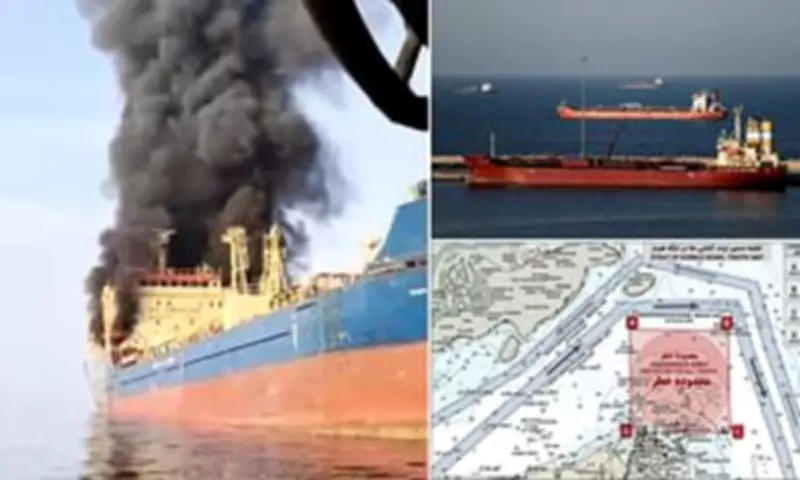
Crew members have been paralysed by fear after witnessing neighbouring ships set ablaze by Iranian missile attacks. One seafarer, stuck off the coast of the United Arab Emirates, watched an Iranian missile strike a loaded Kuwaiti tanker last month, sparking a large blaze while parked at a Dubai port.
The worker reported that 90 percent of their crew will refuse to travel through the strait when it eventually opens, citing the 'impossible' impact on their mental health. 'I’m in no mental condition to perform any intense task after all of this,' they told The Guardian.
The sailor also revealed that one colleague had suffered a 'mental breakdown' and is being checked on regularly. 'I’ve no doubt that this particular issue, this mental breakdown, is happening [on tankers] all around us from the stress of this situation,' they added.
Iranian Threats and Economic Consequences
Iran has warned that oil tankers will be destroyed if they attempt to travel through the strait without permission, seeking to retain control during the ceasefire. A radio message broadcast by the regime stated: 'If any vessels try to transit without permission, [they] will be destroyed.'
A new map released by Iran appears to show areas of the Strait have been mined by its paramilitary Islamic Revolutionary Guard Corps, seen as a threat to attack traffic if demands are not met. Iranian officials have also suggested that tankers using the Strait would need to pay tolls in cryptocurrency of $1 per barrel.
Even if the strait reopens, experts warn that oil tankers are expected to continue avoiding it, meaning there is no end in sight for high fuel prices. Lars Jensen, a shipping analyst with Vespucci Maritime, explained: 'Shipping lines would be hesitant in trusting the longevity of the ceasefire at this point and therefore [would] try to get vessels out, so they can use them, but not risk putting new vessels into the Gulf that might then be trapped if the ceasefire breaks down.'
Broader Implications for Global Markets
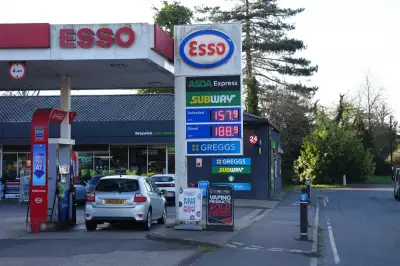
The RAC motoring group has warned that despite a sharp drop in crude oil prices following the ceasefire announcement, the outlook for drivers in the UK remains 'highly uncertain' without an uptick in oil shipments. Simon Williams, RAC head of policy, stated: 'The conditional ceasefire announcement may have taken some heat out of global oil prices, but the outlook for drivers in the UK remains highly uncertain.'
He emphasised that much depends on the stability of the ceasefire, whether oil shipments can move freely through the Strait of Hormuz, and the longer-term impact on oil production across the Gulf. 'As it is a sustained lower oil price – over several weeks, not just a few days – that is required to bring wholesale fuel costs down meaningfully,' Williams added.

The chaos and confusion over who will gain long-term control of the Strait of Hormuz continues, with the Islamist regime maintaining the blockade despite Trump's declaration of victory in the Middle East. Iranian officials cited ongoing Israeli attacks on Iran's Hezbollah allies as justification for shutting off the Arabian Gulf, which sent oil prices soaring and stock prices falling again.