
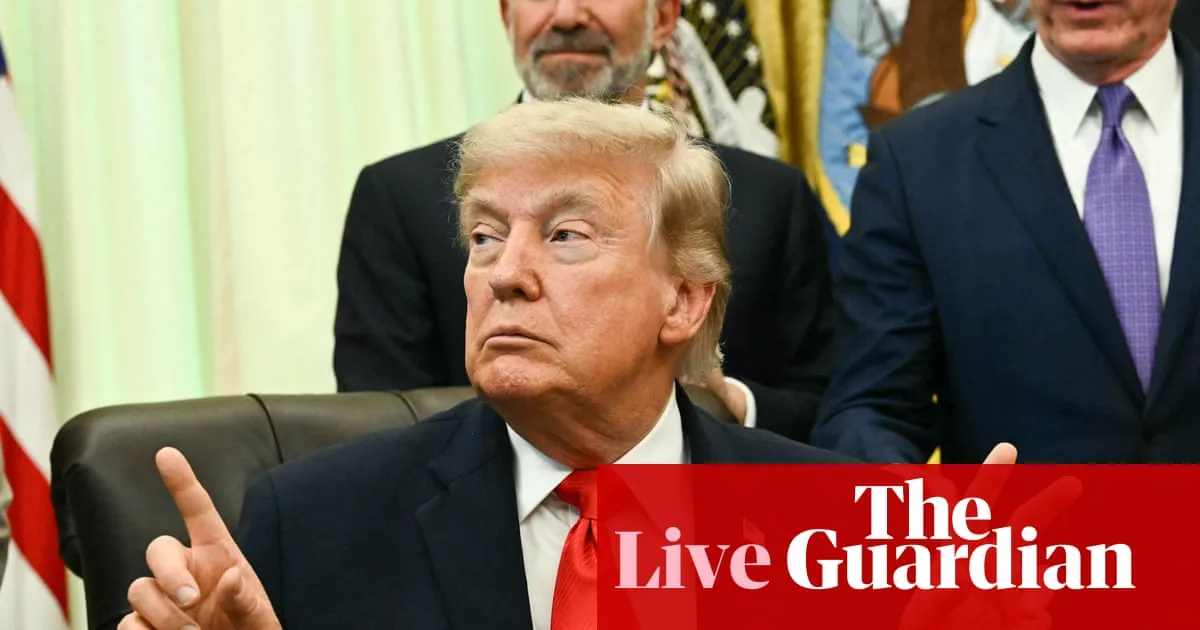
Donald Trump has confirmed on his Truth Social platform that a deal between the US and Iran has been reached, marking a tentative peace agreement to end the war. The announcement was first made by Pakistan’s Prime Minister Shehbaz Sharif, who has been acting as a mediator. Trump wrote: “The Deal with the Islamic Republic of Iran is now complete. Congratulations to all!”
Trump stated that the “Great Deal” would bring peace and security to the region and claimed the Strait of Hormuz would be reopened. “The Leaders of the Region have, for the first time, found a President who can help them achieve real Peace,” he said. He authorised the toll-free opening of the strait and the immediate removal of the US naval blockade, allowing oil to flow once more.
Iran’s Deputy Foreign Minister Kazem Gharibabadi said in televised comments that the agreement puts an “immediate end” to the war on all fronts, including Lebanon. However, questions remain over the management of the Strait of Hormuz, with Iran’s state media Mehr reporting that a memorandum of understanding expected to be signed in Geneva stipulates it will be carried out under “Iranian arrangements”. Trump insisted the strait would be “permanently toll free”.
Leaders in Europe, Japan, and Australia have welcomed the deal, while UN chief António Guterres hailed it as a “critical step”. Asian markets responded positively, with benchmarks in Tokyo and Seoul gaining more than 5% early Monday, and oil prices fell more than $3 a barrel. There has been no immediate reaction from Israel, which said it was not party to the planned deal.
Trump may travel to Pakistan to finalise the agreement, as Sharif has been a key mediator. However, some Republican senators, including Lindsey Graham, have expressed concern about differing accounts from US and Iranian negotiating teams. Trump warned that if Iran fails to reach a final nuclear accord, he would restart military attacks or make the US “the guardian of the Middle East” in return for 20% of the region’s revenues.




